
Testing Lab Equipment: Key Considerations
Testing Lab Equipment is crucial for ensuring accurate results in various experiments and evaluations within a laboratory setting. The right equipment not only enhances the efficiency of testing procedures but also contributes significantly to the reliability of the outcomes. In this blog, we will explore the essential tools and considerations necessary for setting up an effective testing lab, leading to successful and reproducible test results.
Testing Lab Machine Manufacturers, Suppliers and Exporters
We are Testing Laboratory Equipments Manufacturers and Suppliers, as the word proposes, are exceptionally planned frameworks, found in research centers and used to do logical analyses or taking estimations and social occasion information. As a rule, Scientific Lab Testing Equipments are advanced and generally consolidate figuring innovation to enhance and streamline control, improve and broaden instrumental capacities, conditions, parameter modifications, and information inspecting, gathering, goals, examination (both amid and post-process), stockpiling and recovery.
We provide different types of Testing Laboratory Equipments including:
- Bitumen testing
- Asphalt, Cement, Soil, Material, and Sand
- Mechanical, Card, Spring and Fatigue
- Rockwell testing
LABORATORYDEAL is known for designing and developing high-quality, high-performing, durable products at a competitive price. It is really important to test the material before using it in order to avoid any future accidents. Hence LABORATORYDEAL is continuously working on it and has been providing the best testing equipment in the market and be successful in making the market free from risks.
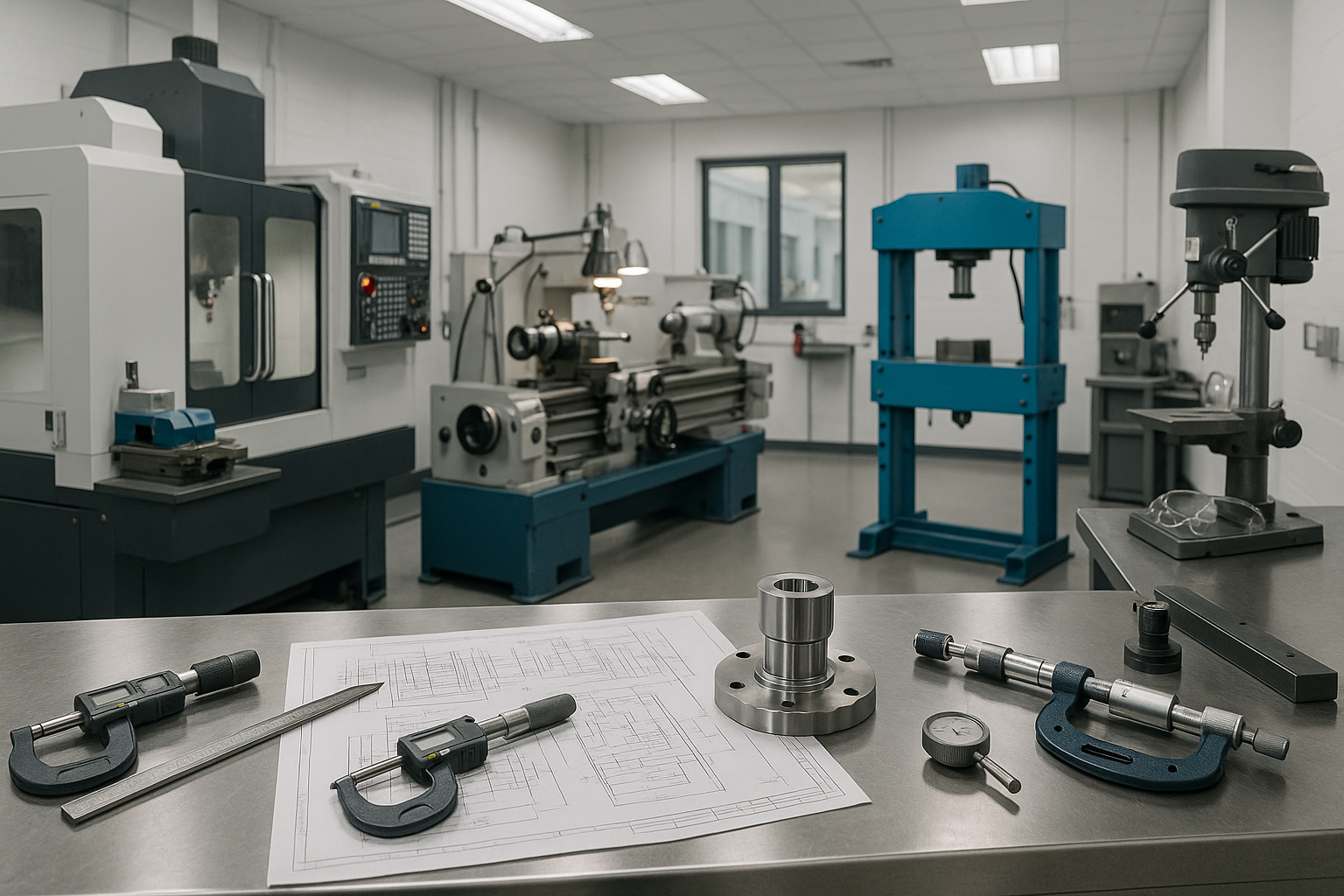
A testing lab machine is a device or a system used to perform various types of testing in a laboratory setting. It can be a standalone machine or a part of a larger testing system.
The characteristics of a testing lab machine can vary depending on the type of testing it is designed to perform. Some common features may include:
-
Accuracy: The machine should be designed to provide precise and accurate results.
-
Reliability: The machine should be reliable and consistent in its operation.
-
Durability: The machine should be built to withstand heavy usage and have a long lifespan.
-
User-Friendly Interface: The machine should have an intuitive and easy-to-use interface that allows operators to quickly and easily set up and run tests.
-
Compatibility: The machine should be compatible with various testing protocols and standards.
-
Safety: The machine should be designed with safety features that protect users from harm during testing.
-
Automation: The machine may have automated features that can reduce operator error and increase efficiency.
-
Maintenance: The machine should be designed to allow for easy maintenance and repair.
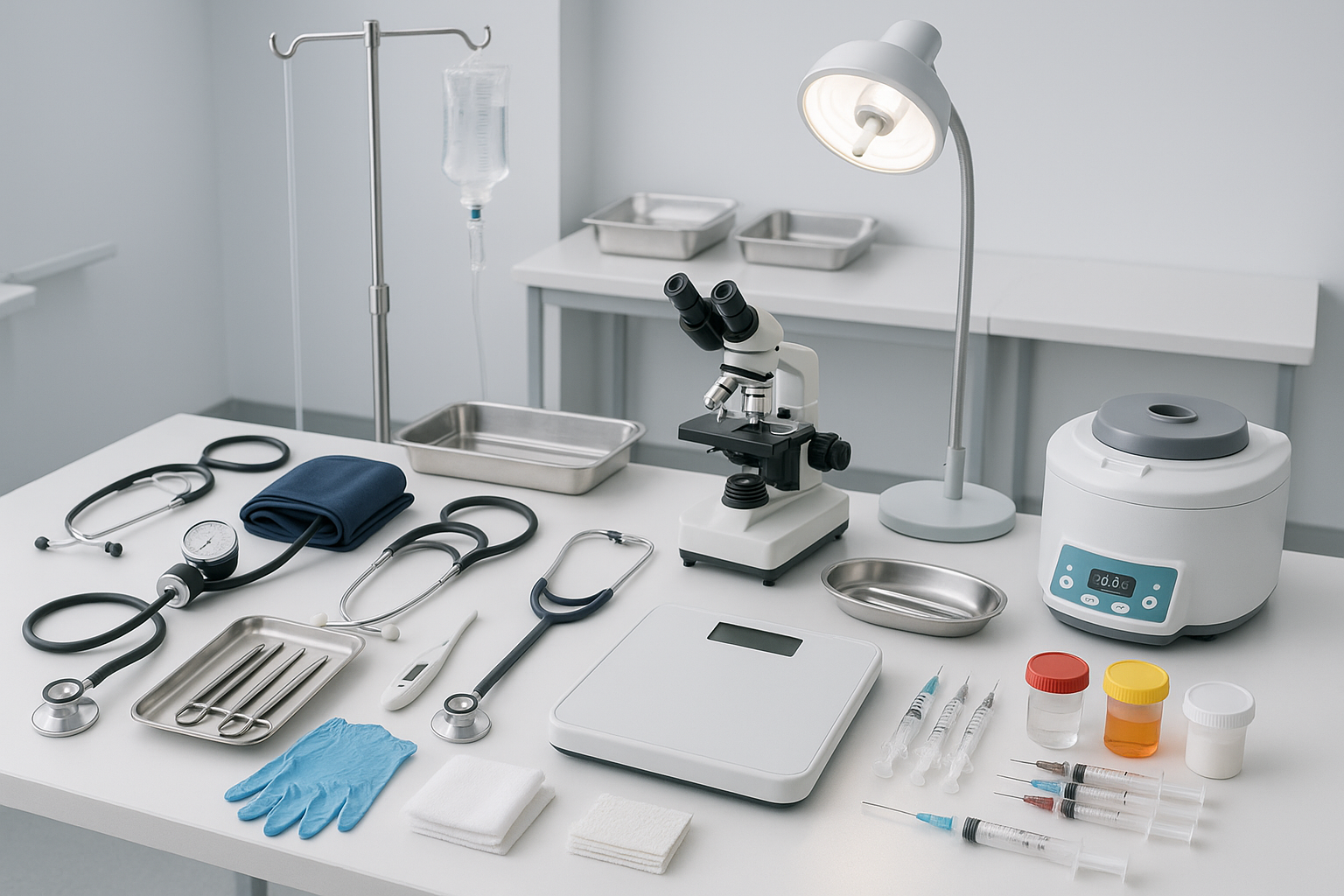
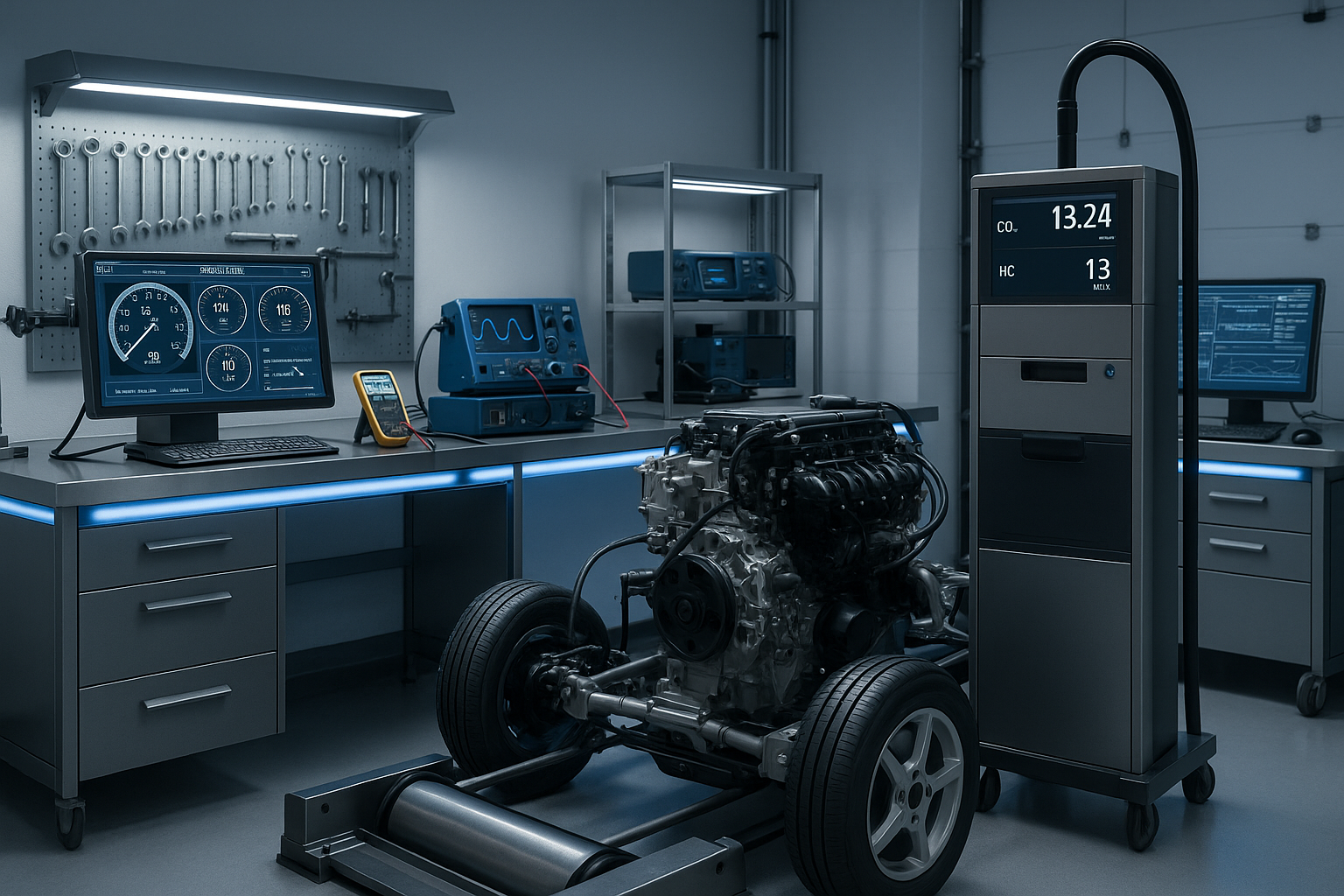
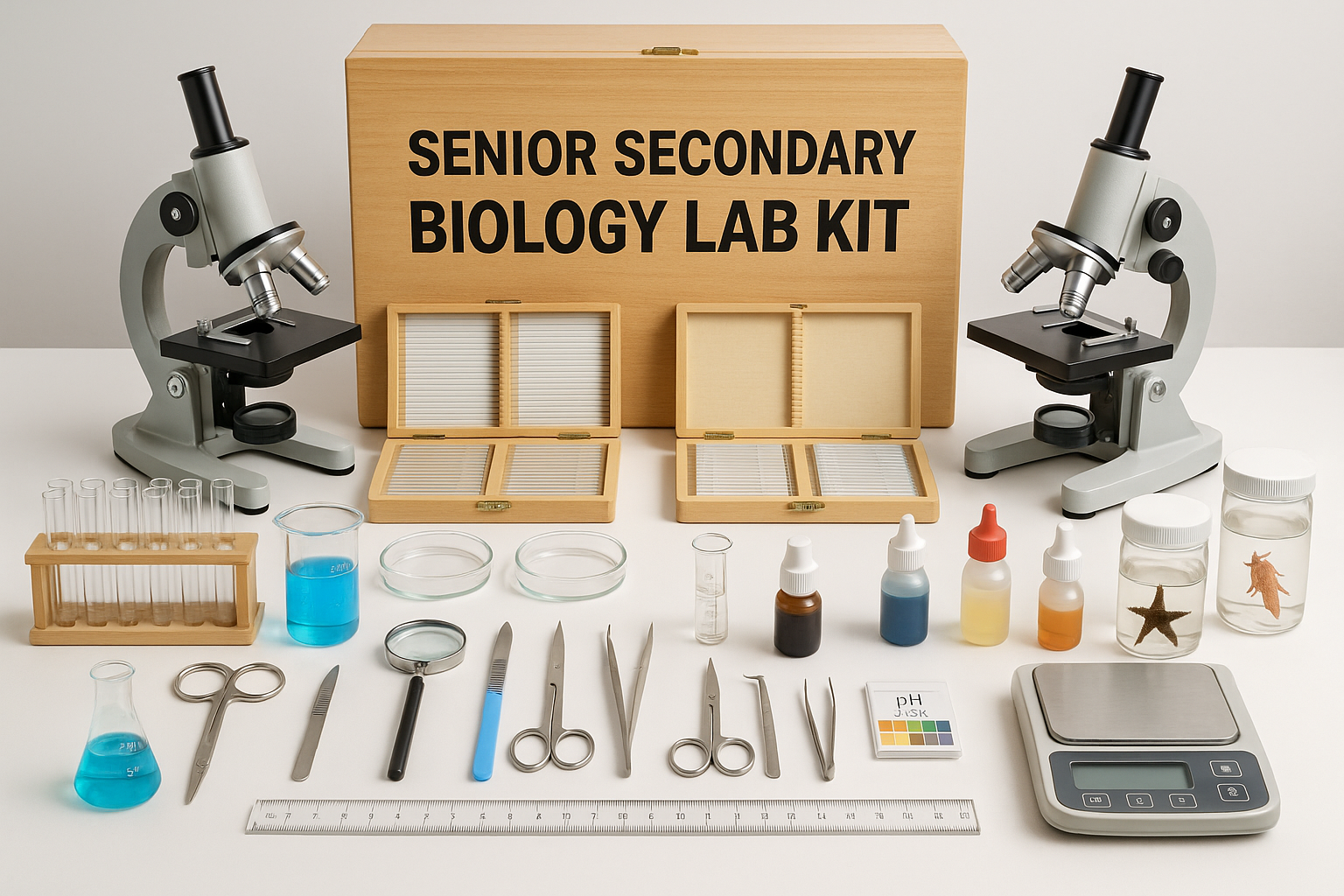
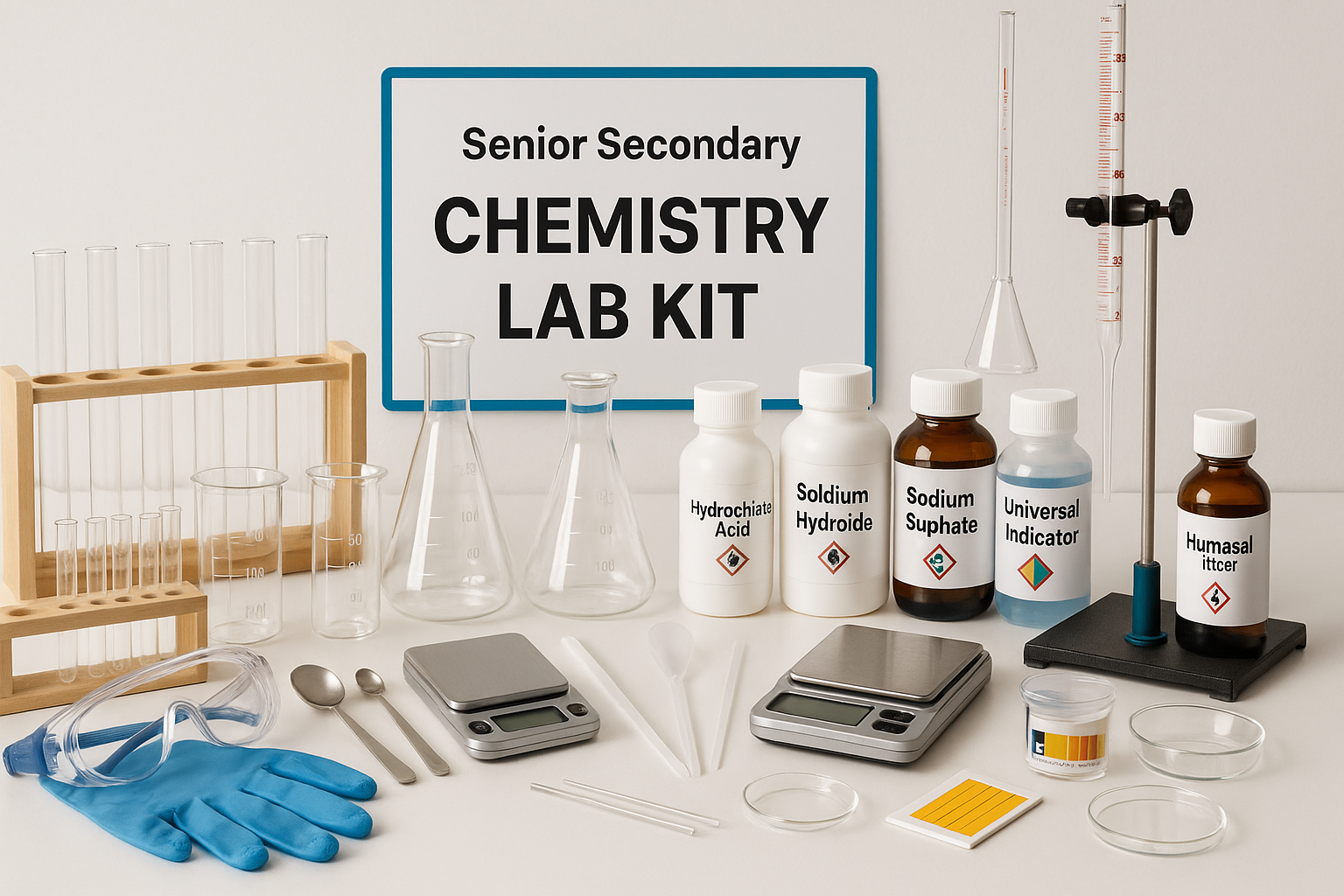
Examples of testing lab machines include material testing machines, environmental testing chambers, spectrophotometers, microscopes, and various analytical instruments used in chemistry, biology, and physics.
LABORATORYDEAL India maintains a good quality assurance of all its products and provides lab equipment at affordable and eco-friendly rates. The company provides lab equipment throughout and outside the country and has a network of dealers and distributors in various states, including Andhra Pradesh, Arunachal Pradesh, Assam, Bihar, Chhattisgarh, Goa, Gujarat, Haryana, Himachal Pradesh, Jharkhand, Karnataka, Kerala, Madhya Pradesh, Maharashtra, Manipur, Meghalaya, Mizoram, Nagaland, Odisha, Punjab, Rajasthan, Sikkim, Tamil Nadu, Telangana, Tripura, Uttar Pradesh, Uttarakhand, and West Bengal
The foundation of any effective testing lab lies in the selection of appropriate equipment tailored to the specific needs of the experiments being conducted. This includes instruments that provide precise measurements, maintain controlled environments, and allow for safe handling of samples. Laboratory equipment, from basic instruments to high-tech machinery, plays a pivotal role in the testing process.
First and foremost, it's essential to understand the types of tests your lab will conduct. For instance, if your focus is on chemical analysis, you will need different equipment than if you are conducting microbiological testing or physical properties assessments. Identifying your laboratory's core focus will greatly influence the types of Testing Lab Equipment required.
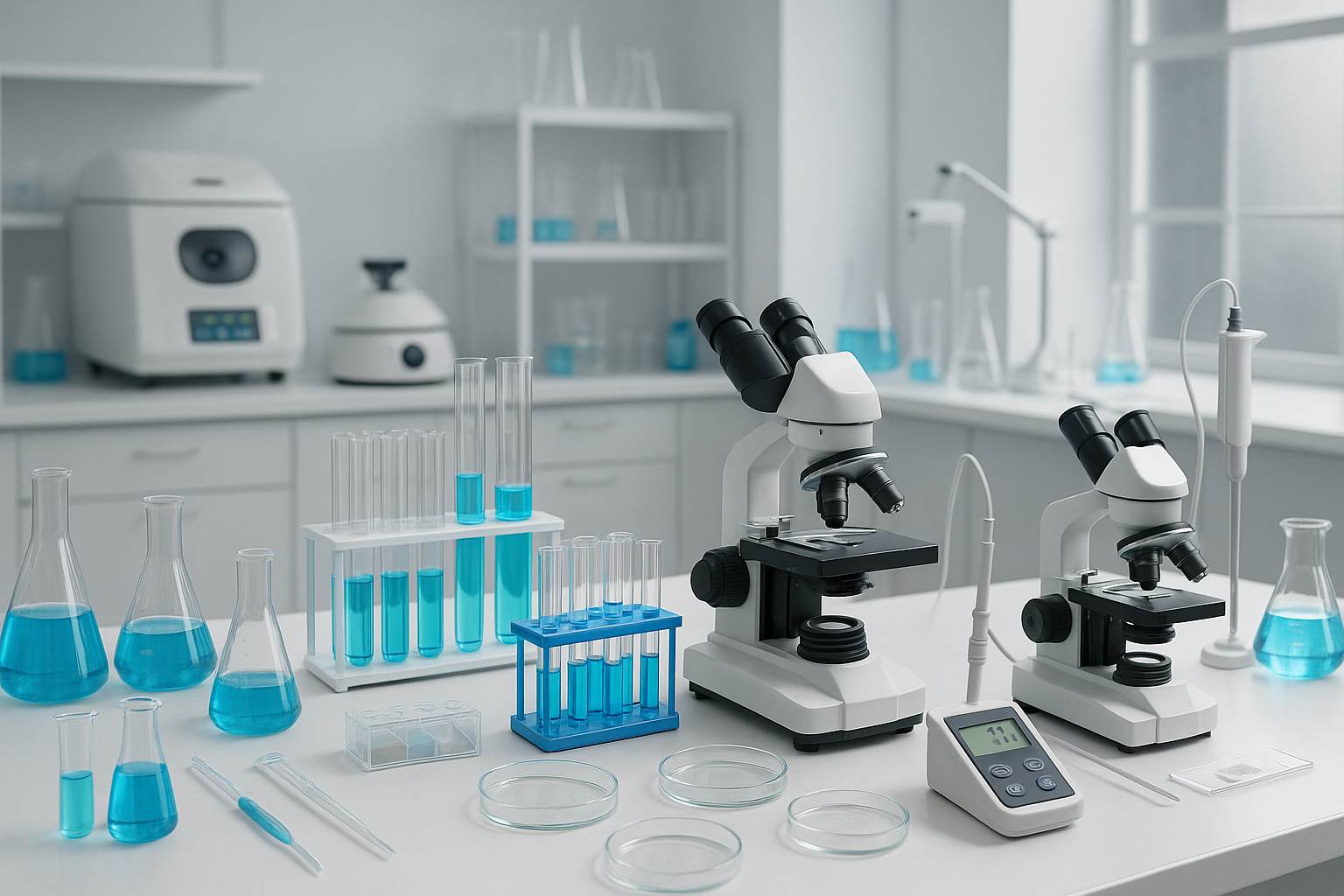
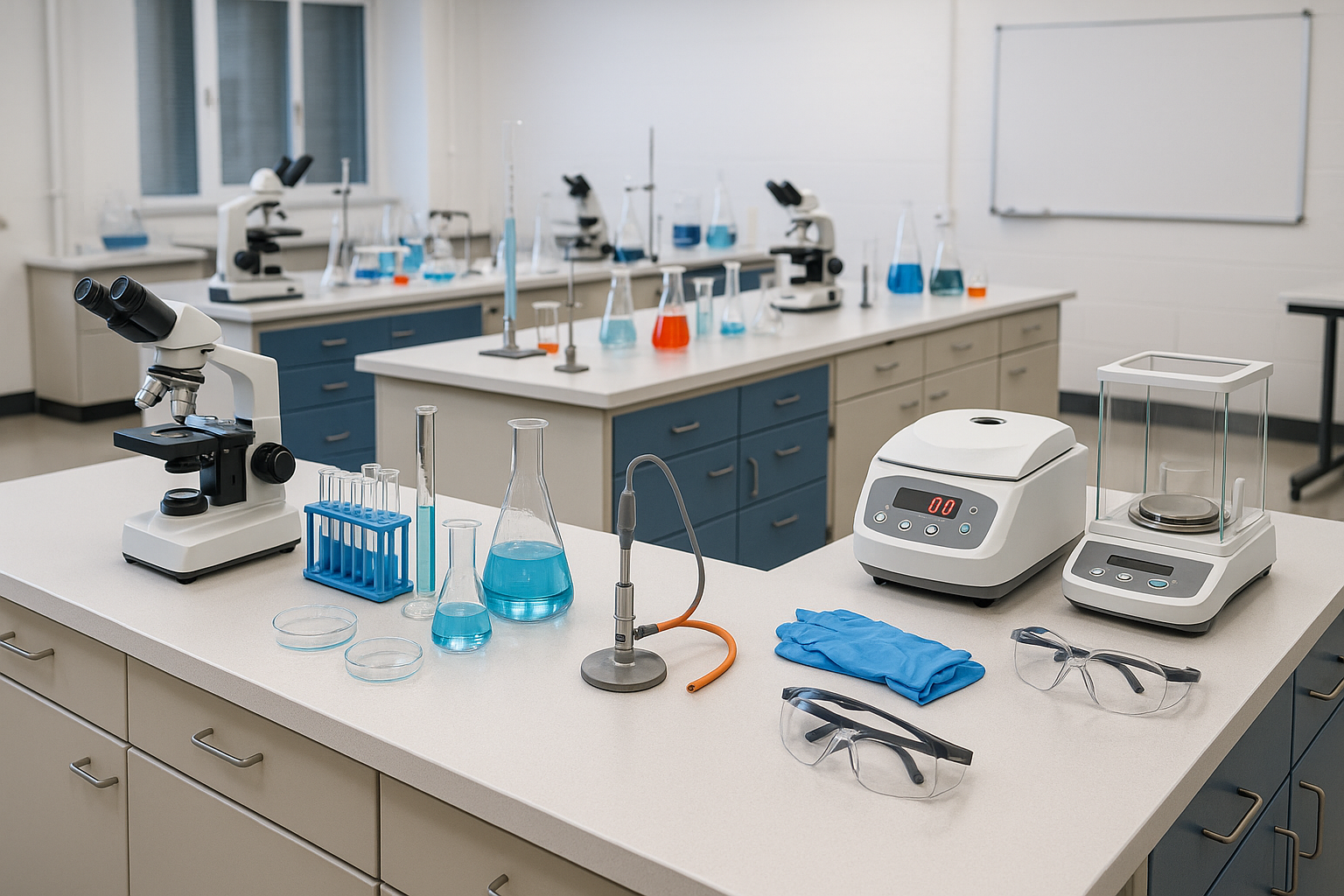
Some key instruments commonly found in various labs include analytical balances, spectrophotometers, centrifuges, and incubators. Each of these tools serves a specific purpose and is vital for obtaining accurate measurements and results. For instance, analytical balances are used for precise weighing of samples, which is essential for maintaining consistency across experiments.
Moreover, ensuring that your Testing Lab Equipment is calibrated properly is critical. Calibration guarantees that the instruments provide correct measurements, which is integral to the integrity of your research. Many instruments come with manufacturer specifications on calibration, but it’s also beneficial to develop routine calibration schedules as part of your lab maintenance practices.
Another important aspect to consider is the environment in which the Testing Lab Equipment operates. Temperature and humidity control may greatly affect results in sensitive experiments. Equipment like environmental chambers can help maintain optimal conditions for tests, particularly in biological or chemical analyses where sample integrity is paramount.
Safety should never be overlooked when it comes to Testing Lab Equipment. Protective gear, proper ventilation, and safety protocols are essential for the welfare of lab personnel and the integrity of experiments. Ensuring that all equipment complies with safety standards will protect both your team and your results.
Investing in high-quality Testing Lab Equipment is advisable to ensure durability and accuracy in the long term. Though it may be tempting to choose more affordable options, quality should not be compromised as it can lead to unreliable results and additional costs over time due to repairs or replacements.
Regular training for lab personnel is also crucial. Technicians should be well-versed in operating and maintaining the Testing Lab Equipment they work with. This includes understanding the specific requirements for each tool and how to respond to common issues that may arise during testing processes.
In addition to traditional tools, the increasing integration of technology in laboratories means that software and digital solutions cannot be neglected. Data management systems and software tools for statistical analysis can enhance the capabilities of the Testing Lab Equipment you have, further refining the accuracy of your results.
In conclusion, setting up an efficient testing lab requires careful consideration and planning surrounding the Testing Lab Equipment. From choosing the right tools to ensuring proper maintenance and safety protocols, each step is crucial for achieving reliable and accurate outcomes. By investing in quality equipment, ensuring proper training for personnel, and maintaining a focus on safety and calibration, laboratories can optimize their testing procedures and enhance the overall quality of their research.