
Chemistry Lab Equipment: Essential Chemistry Lab Apparatus You Need
Chemistry lab equipment is essential for any laboratory where chemical experiments are conducted. It encompasses a wide array of tools and instruments that facilitate the measurement, mixing, heating, and analysis of various substances. Whether you are a student or a professional chemist, understanding the importance and function of each type of equipment will enhance your efficiency and accuracy in the lab. This article will delve into the most crucial chemistry lab apparatus you should have in your setup, explaining their uses and significance.

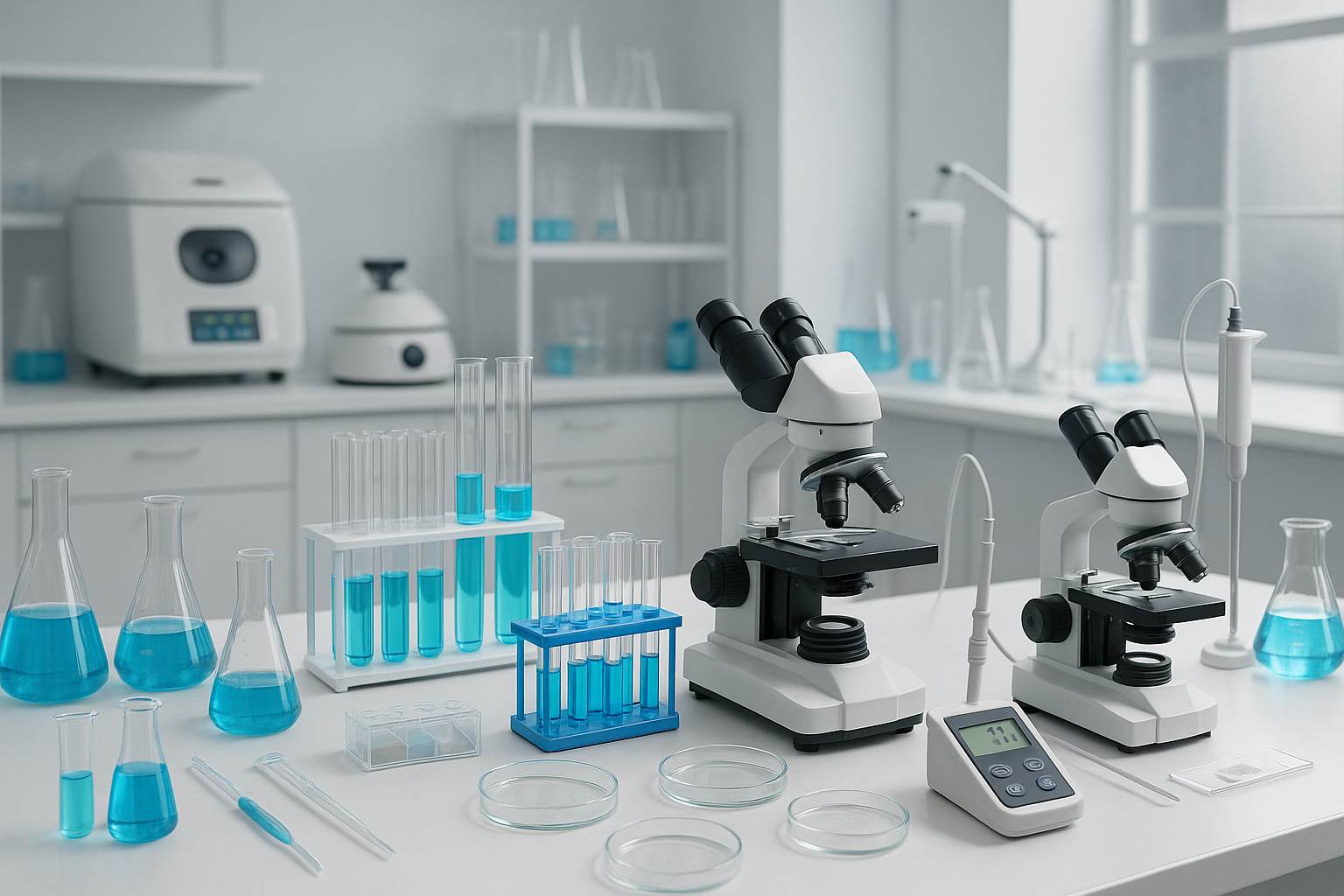
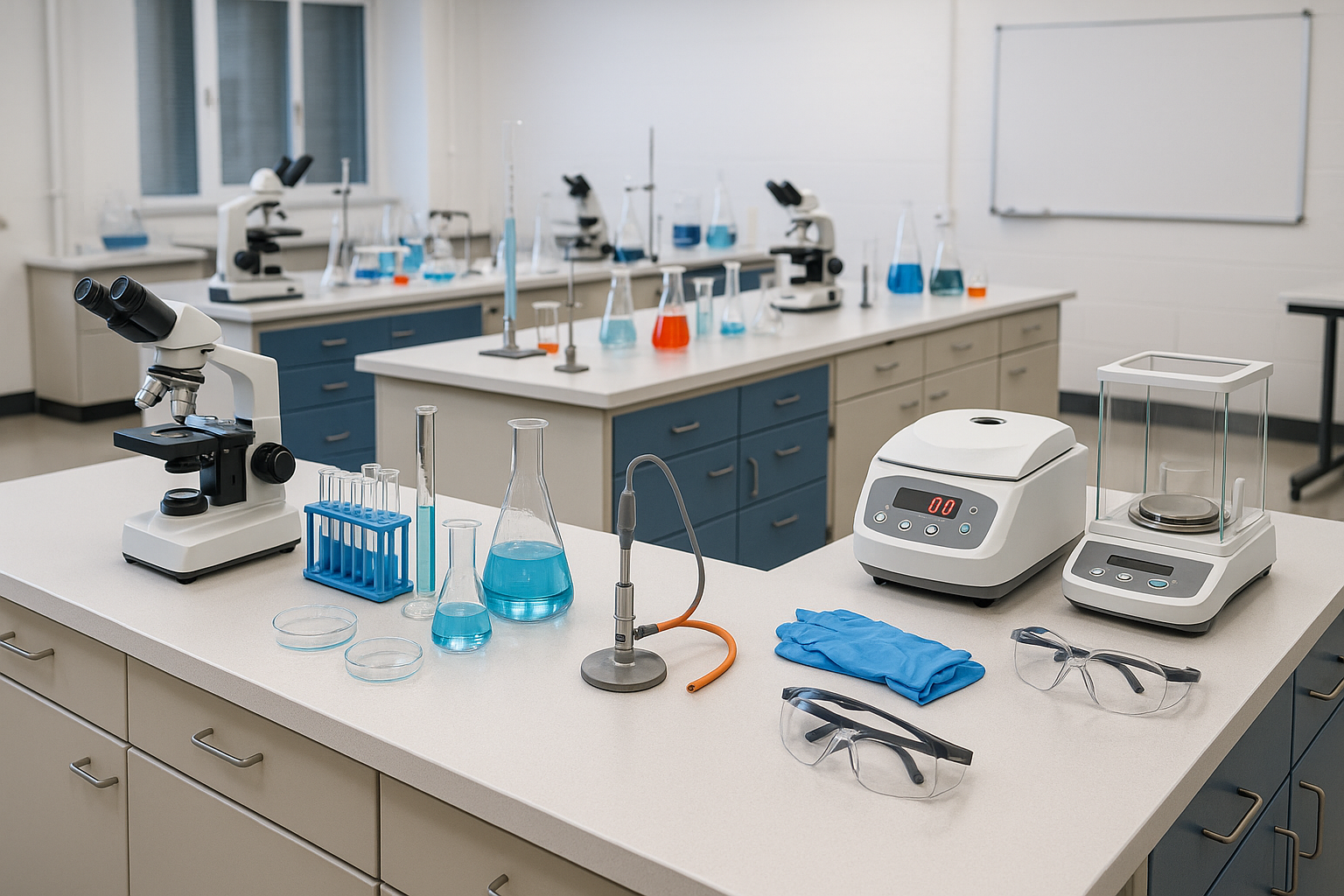
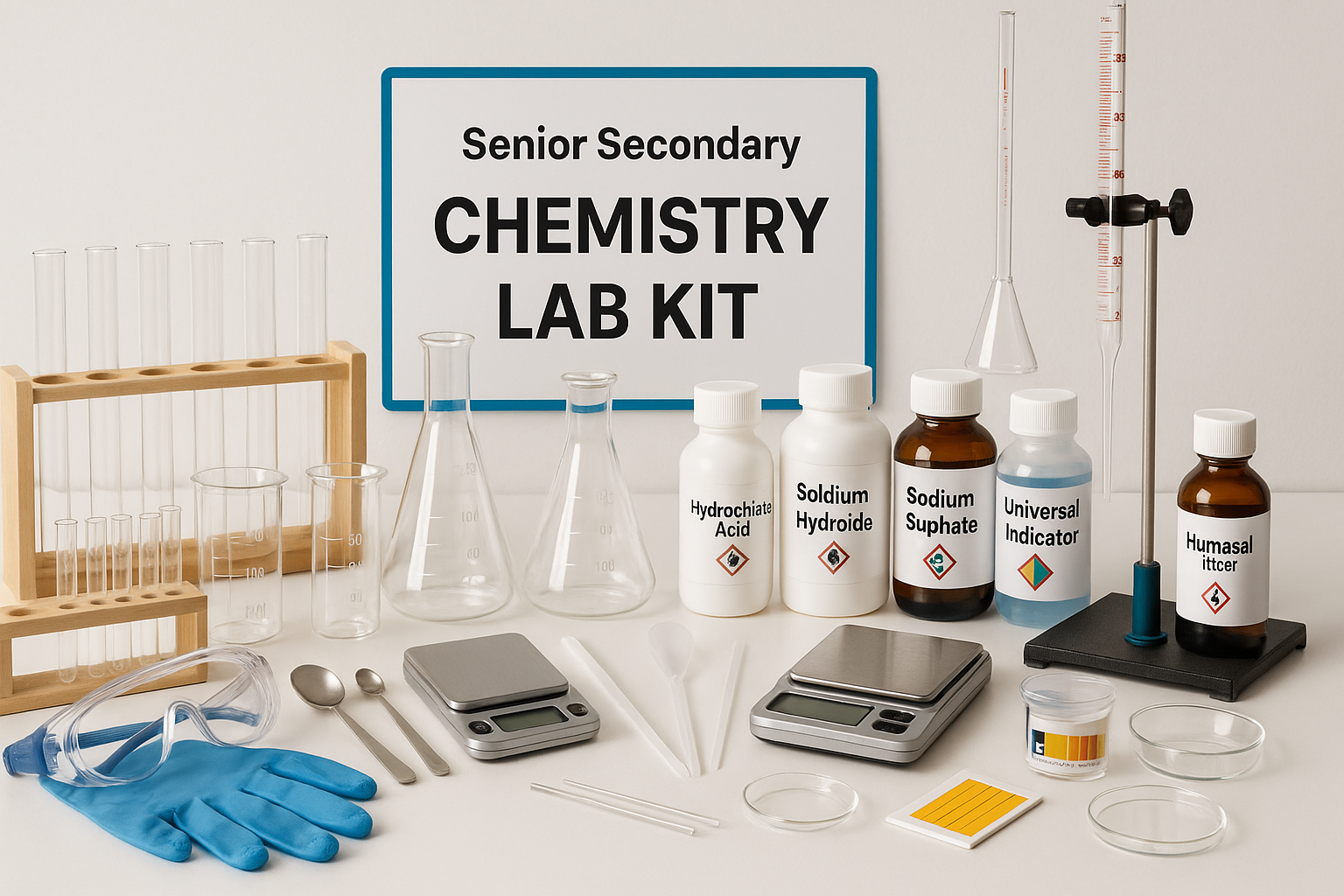
At the core of any chemistry lab is the glassware. Glass beakers, flasks, graduated cylinders, and test tubes are fundamental components that allow for the mixing and measuring of liquids. Beakers are typically used for holding and mixing solutions, while flasks, with their narrow necks, are designed for mixing volatile substances without risk of spillage. Graduated cylinders offer precision in measuring liquids, which is critical for any quantitative analysis in experiments. Test tubes are widely utilized for holding small samples for various tests or reactions.
In addition to glassware, laboratory balances are a critical piece of chemistry lab equipment. Balances are used for weighing chemical substances with high precision. The accuracy of your measurements can dramatically affect the outcome of your experiments, hence investing in a high-quality balance is important. Analytical balances have a draft shield and can measure the smallest of quantities, providing readings to the nearest milligram or even microgram.
No chemistry lab can function without the right heating equipment. Bunsen burners, hot plates, and heating mantles are commonly used for this purpose. Bunsen burners provide an open flame, making them suitable for heating high-temperature reactions, while hot plates offer a more controlled heating method without flame. Heating mantles provide uniform heating for round-bottom flasks, reducing the risk of breakage due to thermal shock.
Safety equipment is paramount in any chemistry lab environment. Personal protective equipment (PPE) such as goggles, gloves, and lab coats are mandatory for anyone working with chemicals. Fume hoods are also essential for protecting users from hazardous fumes or vapors generated during reactions. Safety data sheets (SDS) should always be available to provide information about the chemicals being used, including their hazards and first aid measures.
Furthermore, qualitative and quantitative analysis instruments play a vital role in modern chemistry. Spectrophotometers, chromatographs, and titration setups are examples of sophisticated instruments that allow chemists to analyze complex mixtures and identify the components within them. Spectrophotometers measure the intensity of light absorption by substances, while chromatographs separate compounds for analysis based on their physical or chemical properties.
In conclusion, the right chemistry lab equipment not only enhances the capability of a laboratory but also ensures the safety and precision of experiments. Essential chemistry lab apparatus such as glassware, balances, heating devices, safety gear, and analytical instruments form the backbone of chemical research and experimentation. Investing in quality equipment and understanding how to use each piece properly will lead to successful laboratory practices, paving the way for discoveries and advancements in the field of chemistry.