
B Pharmacy Lab Equipment
B pharmacy lab equipment is crucial for students pursuing a degree in pharmacy. These essential tools are designed to facilitate hands-on learning and practical application of pharmaceutical sciences. A well-equipped lab helps students to grasp complex concepts related to drug formulation, chemical analysis, and pharmacology. In this blog, we will explore the various types of equipment that pharmacy students must familiarize themselves with to succeed in their academic and professional endeavors.
First and foremost, let's discuss the significance of laboratory equipment in pharmacy education. A pharmacy lab serves as an experimental platform where students engage in scientific research and learn to operate equipment that they will use in their future careers. From conducting experiments to analyzing results, the right tools are indispensable for developing practical skills and understanding theoretical knowledge.
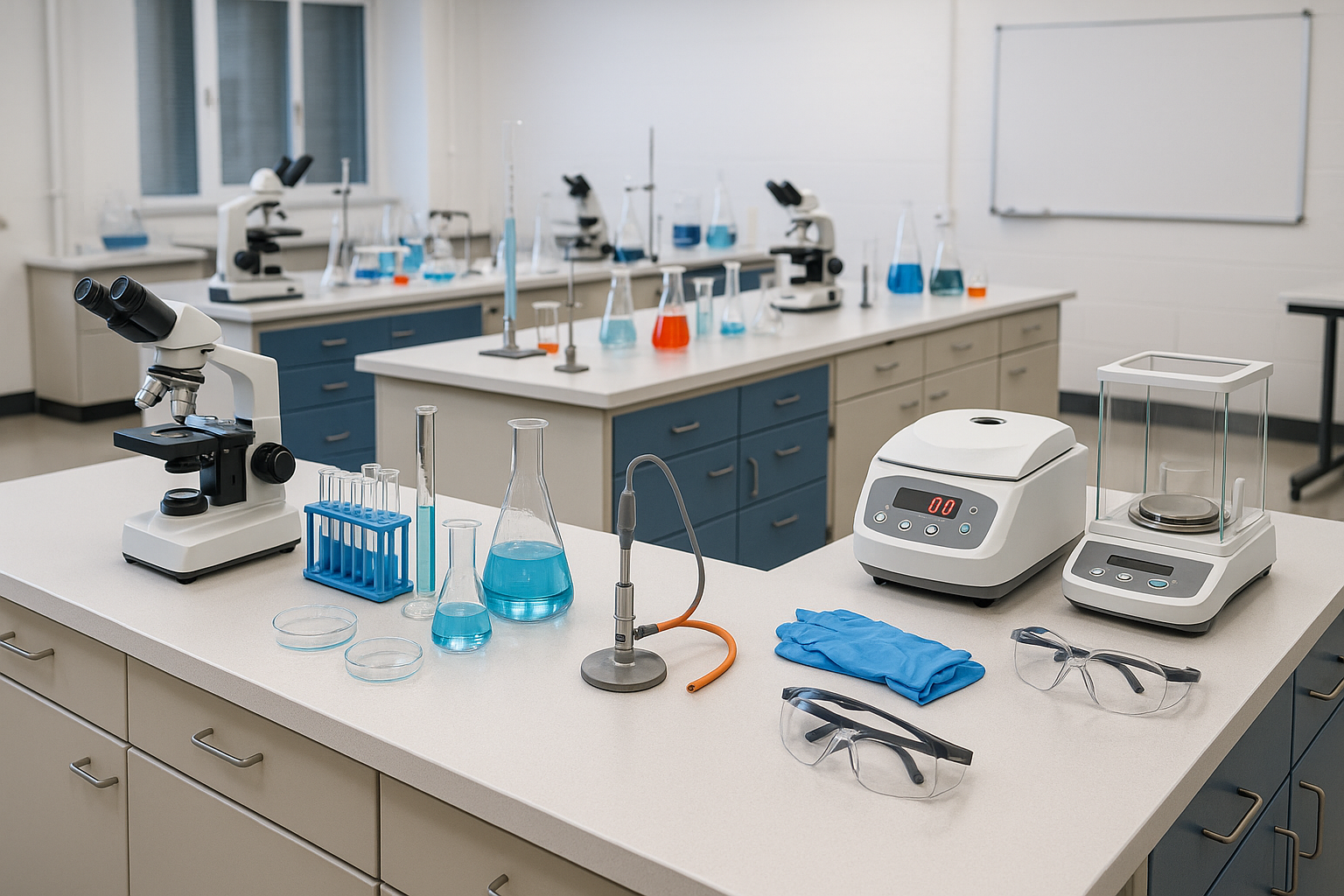
Among the essential B pharmacy lab equipment, we find analytical balances, which are used for measuring substances with high precision. This instrument is fundamental for preparing various pharmaceutical formulations, as accurate measurements are critical in ensuring the efficacy and safety of the drugs. Students must learn to use analytical balances correctly to develop an understanding of dosages and formulation processes.
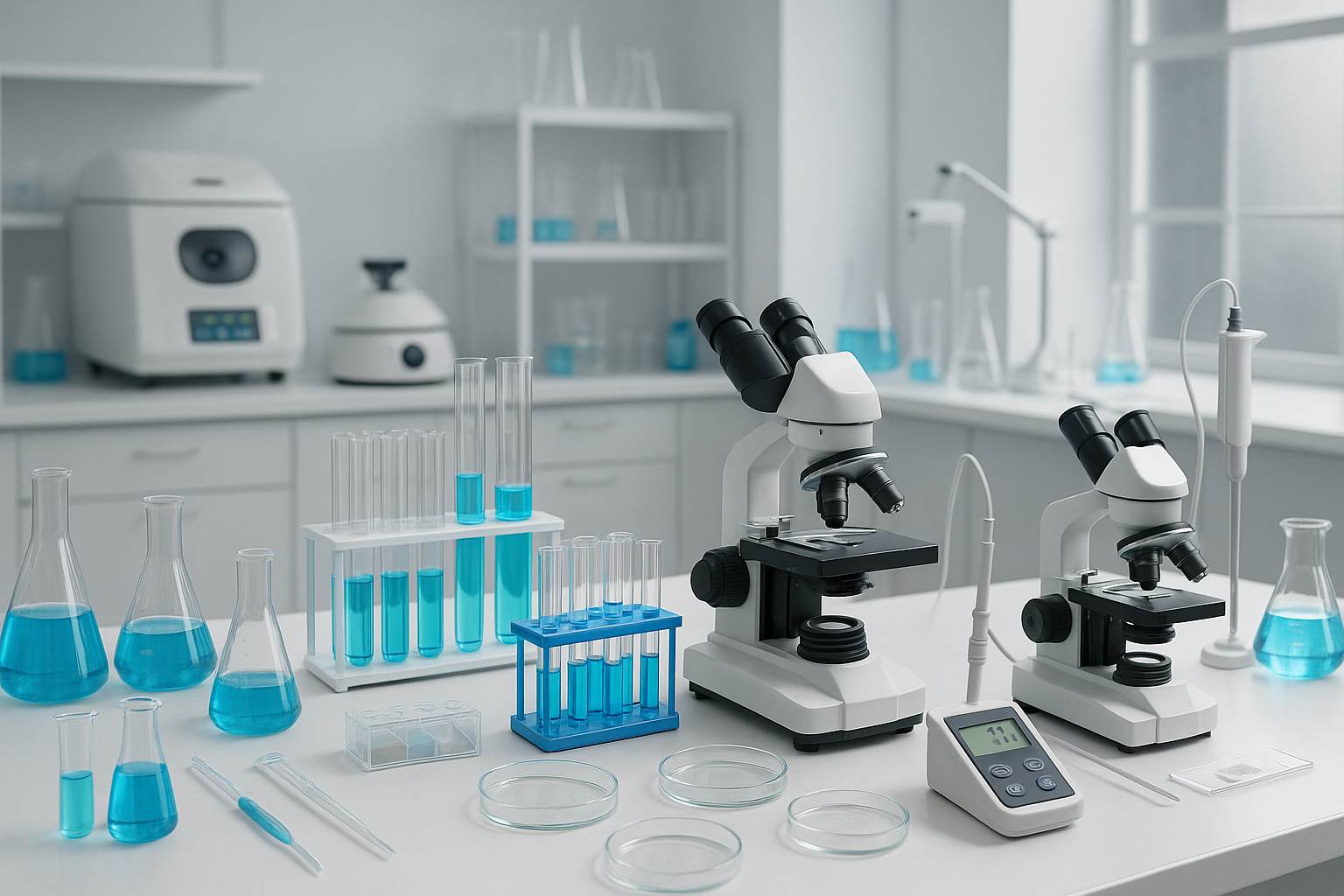
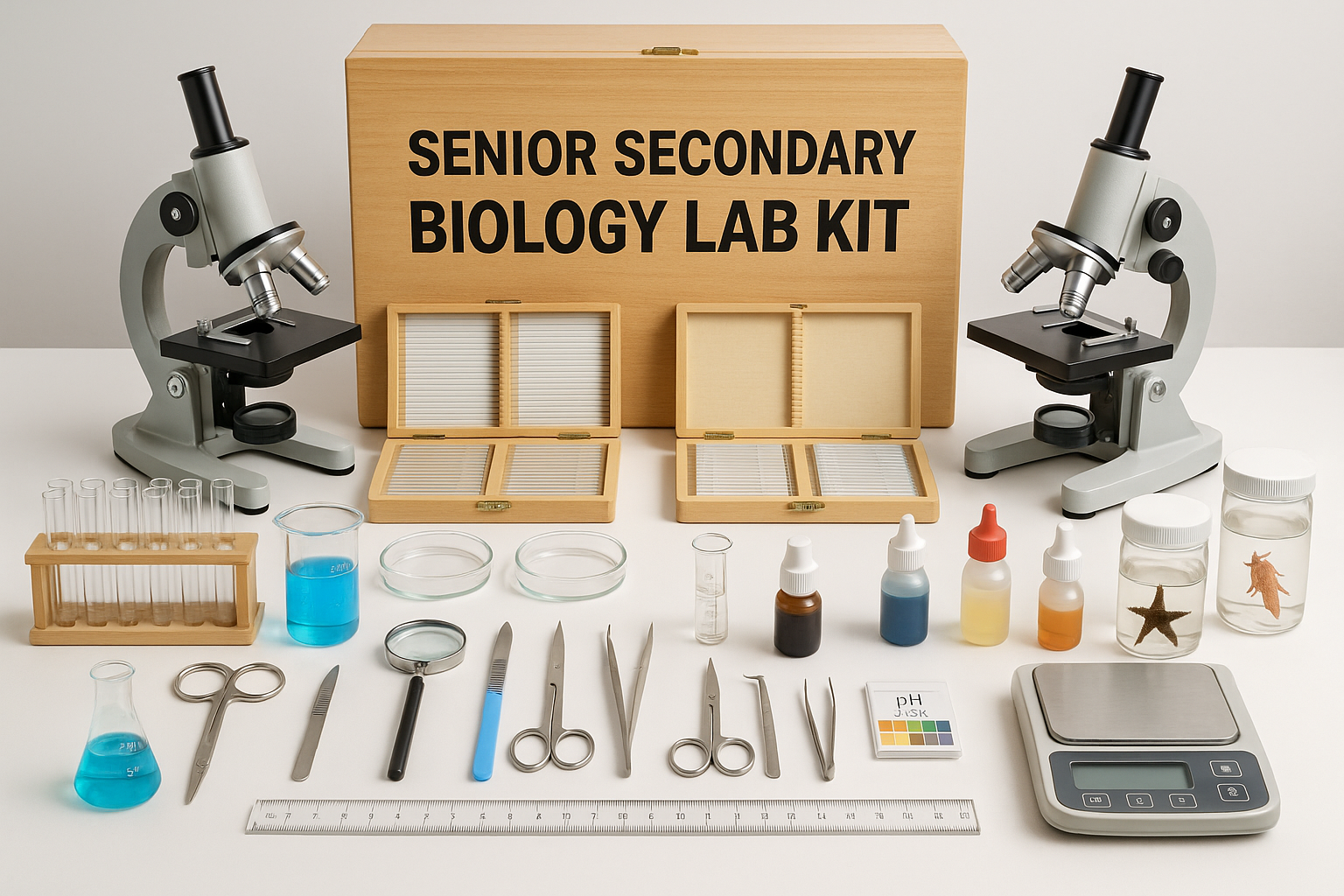
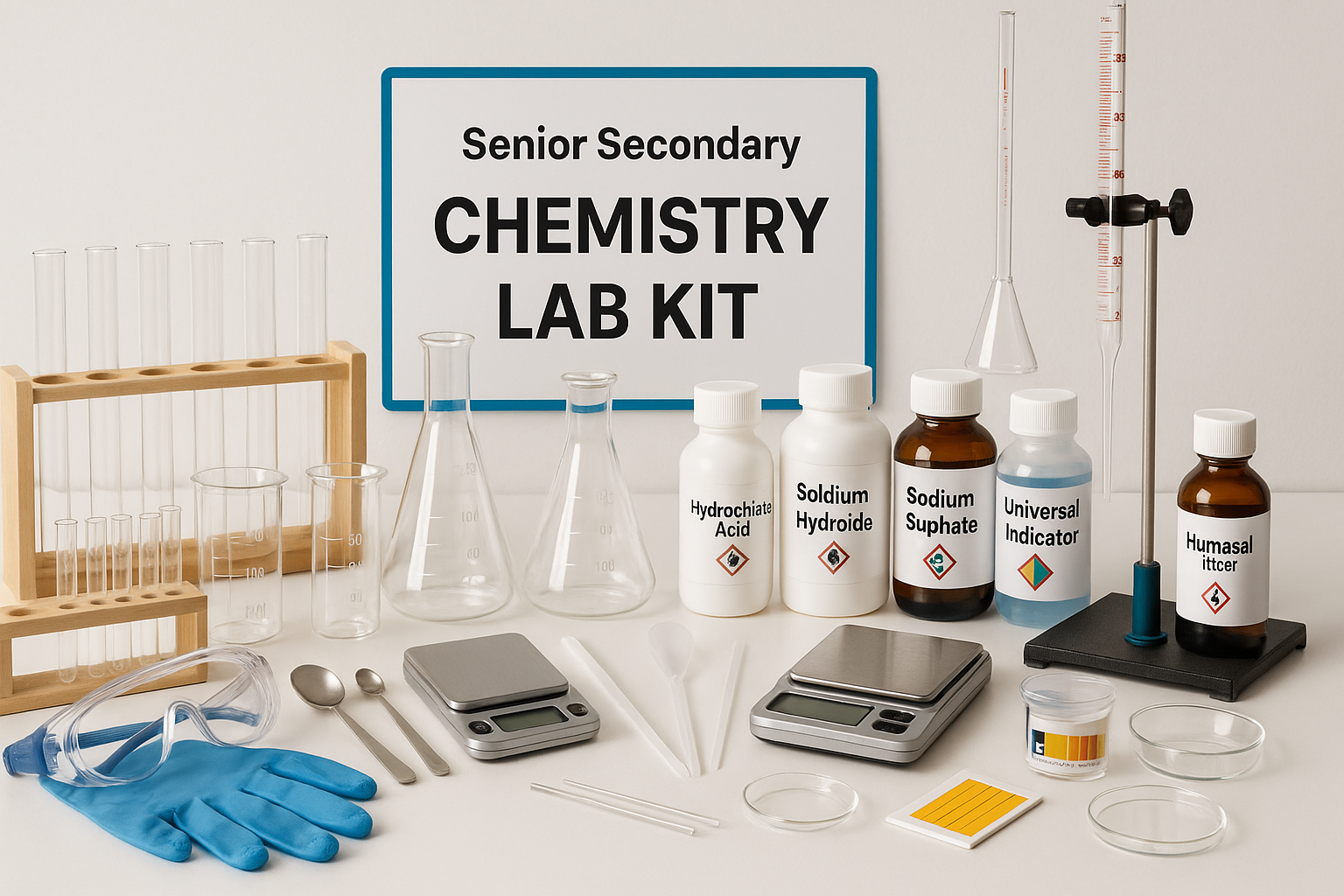
Beakers and flasks are also vital in a pharmacy lab. These glassware items are used for mixing, heating, and storing chemical solutions. Pharmacy students are required to familiarize themselves with different types of glassware and their specific uses, as they are fundamental in executing experiments. In practical scenarios, students may mix chemicals to create solutions or conduct titrations, necessitating a deep understanding of the glassware’s functionalities.
Pipettes and micropipettes are critical for dispensing liquids in accurate volumes. Mastery of these tools enhances a student's ability to conduct precise experiments, which is essential in pharmaceutical research and development. Students need training in proper pipetting techniques to minimize errors and improve the accuracy of their results.
Another integral component of B pharmacy lab equipment is the fume hood. Safety is paramount in any laboratory setting, and the fume hood provides a ventilated workspace to handle toxic or volatile substances. Students must learn the correct protocols for using fume hoods to protect themselves and their peers from hazardous vapors and spills.
A centrifuge is another indispensable tool in pharmacy labs. It separates substances of different densities using high-speed spinning, which is vital in various applications such as blood separation or isolating compounds. Understanding the function and operation of centrifuges is crucial for students as it reinforces theoretical knowledge in practical scenarios.
Additionally, the refrigerator and freezer units are essential for storing temperature-sensitive materials, such as certain drugs and biological samples. Proper storage practices are critical in ensuring that pharmaceuticals maintain their efficacy. Pharmacy students must be educated on the storage conditions required for different compounds to uphold their integrity.
Heating devices, such as hot plates and Bunsen burners, are essential for experiments requiring heat application. Understanding how to safely use these devices is vital, as improper use can lead to accidents within the lab environment.
Furthermore, chromatography equipment plays a significant role in the analysis and separation of compounds in pharmaceutical preparations. Mastery of techniques such as thin-layer chromatography (TLC) and high-performance liquid chromatography (HPLC) is crucial for students as they prepare for real-world applications in drug analysis and quality control.
In conclusion, B pharmacy lab equipment encompasses a range of essential tools that enable pharmacy students to engage deeply in their studies. Mastery of these tools is vital for their academic achievement and future careers in pharmacy. As they navigate the complexities of drug formulation, analysis, and safety protocols, the role of laboratory equipment cannot be overstated. Proper training and hands-on experience with these tools will prepare students for successful careers in pharmaceutical sciences, making it imperative that they gain familiarity with the entire array of B pharmacy lab equipment throughout their education.