Microbiological Lab Equipment: Essential Tools for Accurate Testing
Microbiological lab equipment plays a crucial role in the field of microbiology. Accurate testing requires reliable tools and equipment that ensure precise results and maintain safety standards. In a microbiological lab, various types of equipment are utilized to handle, culture, and analyze microorganisms effectively. This article delves into the essential tools that microbiologists rely on to carry out their experiments and research. From incubators to autoclaves, we will explore the functions and significance of these tools.
Microbiological lab equipment refers to the tools and instruments used in microbiology laboratories for studying microorganisms, such as bacteria, viruses, fungi, and parasites. Some common microbiological lab equipment includes:
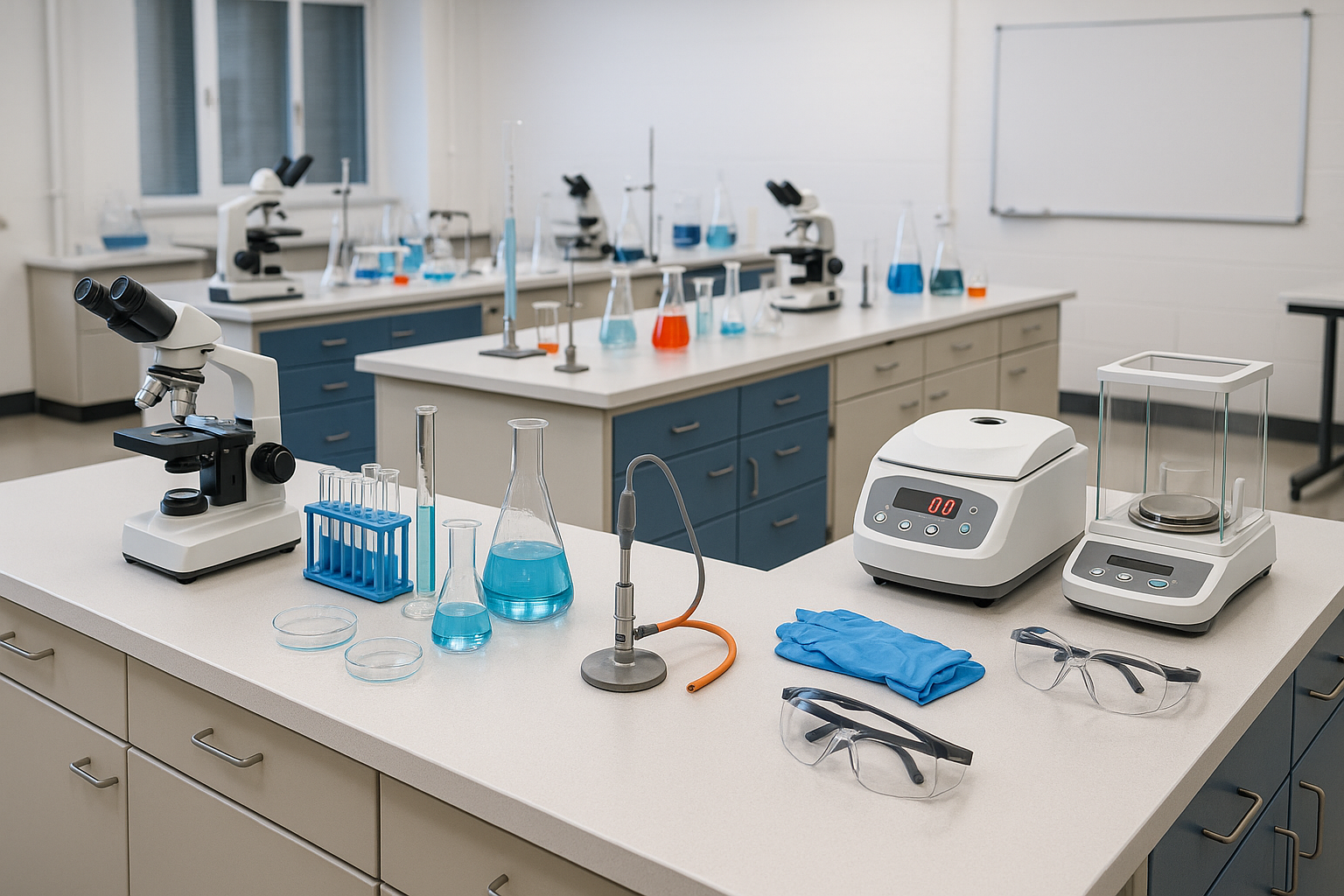
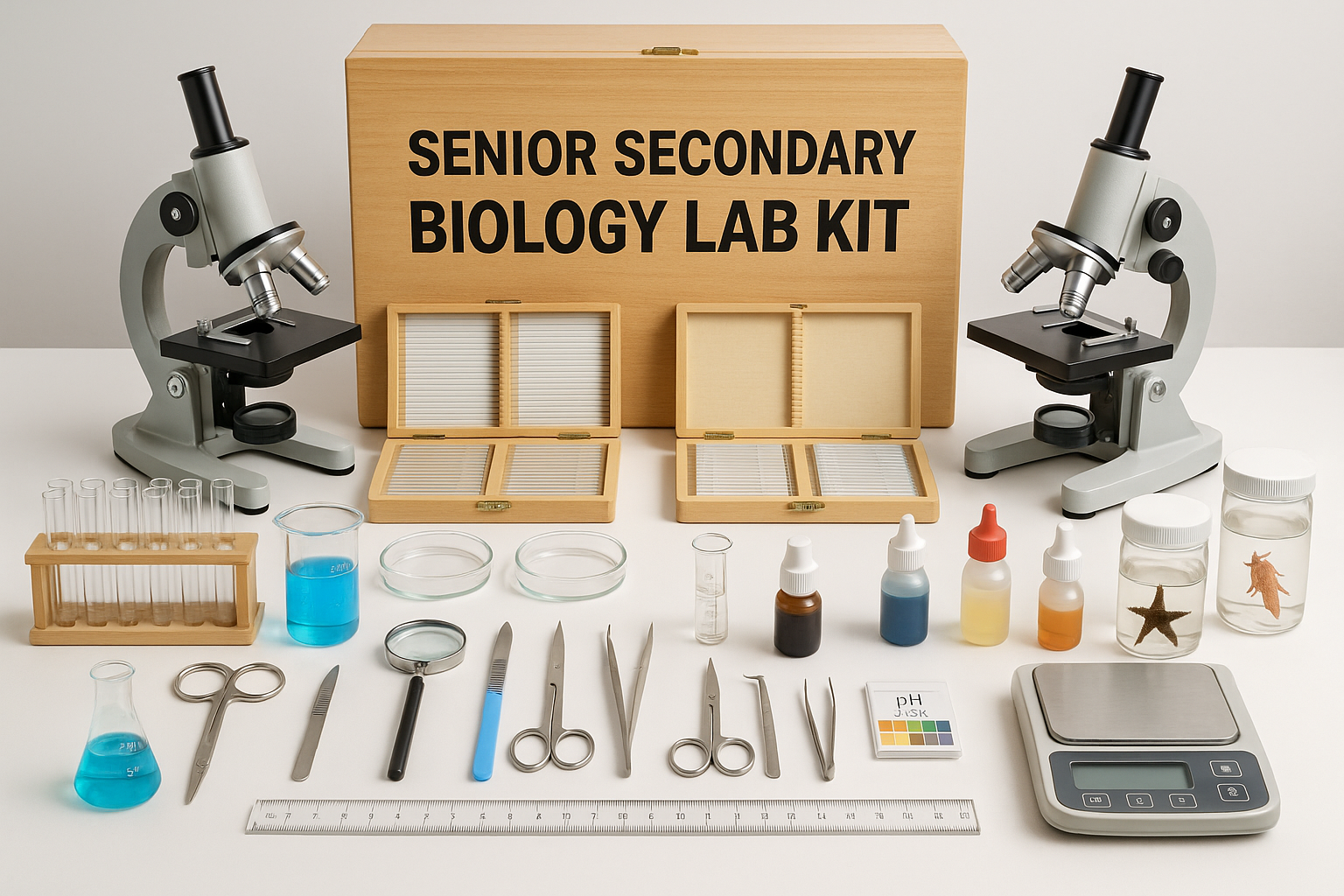
- Microscopes - used to magnify and observe microorganisms at high resolution
- Incubators - used to grow and maintain bacterial or fungal cultures under controlled environmental conditions, such as temperature, humidity, and gas concentrations
- Autoclaves - used to sterilize equipment, media, and solutions by exposing them to high-pressure steam
- Bunsen burners - used for sterilizing inoculating loops, needles, and other lab tools by passing them through a flame
- Petri dishes and culture tubes - used to grow, maintain, and study microorganisms in the lab
- Pipettes and pipette tips - used to measure and transfer small volumes of liquids with high accuracy and precision
- Safety cabinets - used to provide a sterile, enclosed workspace for handling infectious microorganisms safely.
Other examples of microbiological lab equipment include centrifuges, spectrophotometers, agar plates, media preparators, colony counters, and PCR machines.
for purchase lab equipment and Training: 9034101997 ( sales@laboratorydeal.com )
The first crucial component of microbiological lab equipment is the incubator. Incubators provide a controlled environment for growing microbial cultures. They maintain an optimal temperature and humidity level, which is vital for the growth of bacteria, fungi, and other microorganisms. Precise temperature control within these incubators ensures that cultures develop correctly and yield reliable results. Typically, laboratories utilize both standard and specialized incubators designed for specific types of cultures or growth conditions.
Another fundamental tool is the autoclave, which is essential for sterilizing lab equipment and media. Autoclaves use high-pressure steam to kill all forms of microbial life, including bacteria, viruses, and spores. This process is crucial to avoid contamination in microbiological experiments and ensure that all tools used are free of any unwanted microorganisms. Besides, autoclaved media provides a sterile environment necessary for accurate and valid test results.
The microcentrifuge is also vital in microbiological laboratories. This equipment spins samples at high speeds, separating components based on density. Microcentrifuges are particularly useful for isolating DNA, RNA, or proteins from microbial cultures. By employing this equipment, researchers can prepare samples for further analysis and testing, ensuring that they have the necessary materials to conduct their experiments accurately.
Another significant piece of microbiological lab equipment is the bio-safety cabinet. This specialized workspace is essential when handling pathogenic microorganisms. Bio-safety cabinets create a sterile environment, protecting both the user and the samples from contamination. These cabinets are designed to filter the air and provide a negative pressure, ensuring that any airborne contaminants are captured and do not escape into the lab space. This equipment is integral for maintaining safety standards when working with potentially dangerous microorganisms.
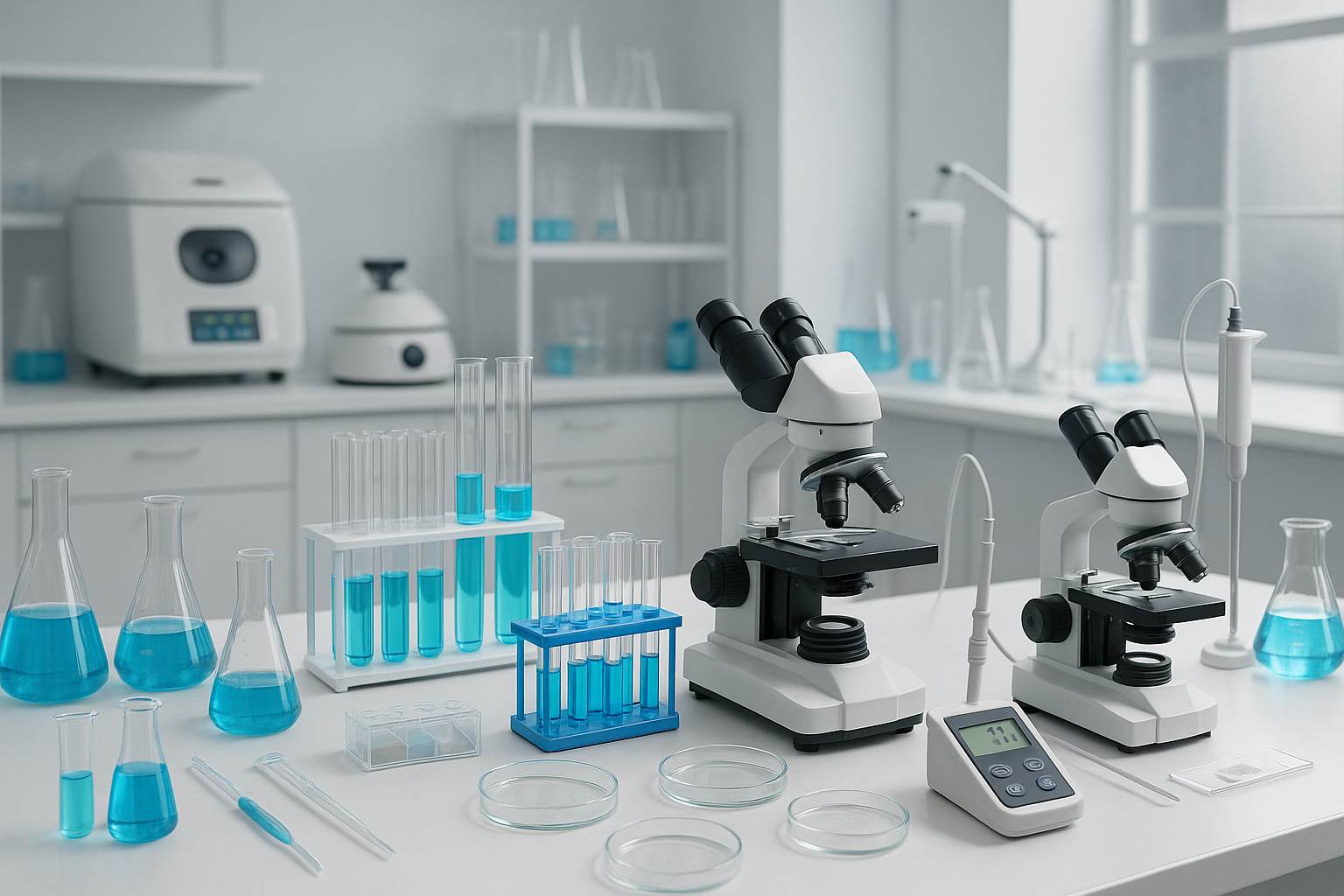
Furthermore, the use of microscopes is indispensable for microbiologists. Microscopes enable the visualization of microorganisms, allowing researchers to study their morphology, structure, and behavior. There are various types of microscopes, including light, electron, and fluorescence microscopes, each serving unique purposes in microbiological research. The ability to observe microorganisms in detail aids in accurate identification and classification, contributing to a deeper understanding of microbial life.
In conjunction with microscopes, petri dishes are commonly used in microbiological labs. These shallow dishes provide a surface for culturing microorganisms. Typically made of glass or plastic, petri dishes are filled with agar or other growth media, allowing microbes to grow and form colonies. After incubation, microbiologists can analyze the growth patterns and characteristics of the colonies. Petri dishes are essential for various microbiological tests, including antibiotic susceptibility testing and isolation of pure cultures.
The pH meter is another critical tool used in microbiological labs. Maintaining the appropriate pH level is essential for the growth of many microorganisms. A pH meter allows microbiologists to monitor and adjust the acidity or alkalinity of growth media, ensuring optimal conditions for microbial growth. Accurate pH measurements contribute significantly to the overall success of microbiological experiments.
In addition, refrigerators and freezers play a pivotal role in the preservation of microbial cultures and reagents. Storing these materials at the correct temperatures prevents degradation and maintains their viability for future experimentation. Laboratories often have dedicated storage units for different types of samples to ensure that all biological materials are kept in optimal conditions.
Finally, it is essential to mention the spectrophotometer, a tool used to measure the concentration of microorganisms in a sample. By detecting light absorption or scattering, spectrophotometers provide quantitative data regarding the growth of microbial cultures. This information is crucial for many microbiological applications, including determining microbial load and studying growth kinetics.
In conclusion, microbiological lab equipment encompasses a range of essential tools that enable accurate testing and research in microbiology. From incubators and autoclaves to microscopes and spectrophotometers, each piece of equipment serves a specific purpose in handling, growing, and analyzing microorganisms. Understanding the significance of this equipment is vital for anyone involved in microbiological research, as it directly impacts the reliability and validity of test results. As technology advances, the evolution of microbiological lab equipment continues to enhance the capabilities and efficiency of microbiologists in their pursuit of understanding the microbial world.