
Gas Preparation Techniques
Gas preparation techniques are vital for ensuring the efficiency and safety of various gas applications, including industrial processes, energy generation, and laboratory experiments. The importance of proper gas preparation cannot be overstated, as it impacts the quality, purity, and performance of gases used in different reactions and applications.
Gas preparation typically involves the process of converting raw natural gas, which is a mixture of hydrocarbons and other compounds, into a form that can be transported and used as a fuel source.
The first step in gas preparation is to remove any impurities such as water, sulfur, and carbon dioxide, which can corrode pipelines and damage equipment. This is done through a process called gas sweetening or gas conditioning, which involves the use of chemical solvents or physical adsorbents to capture and remove these impurities.
Next, the gas is compressed to increase its pressure, which makes it easier to transport through pipelines or in tankers. The compression process also helps to reduce the volume of the gas, making it more economical to transport.
In some cases, the gas may also be liquefied through a process called liquefaction. This involves cooling the gas to a very low temperature, which causes it to condense into a liquid form. Liquefied natural gas (LNG) takes up about 1/600th the volume of natural gas in its gaseous state, making it much easier to transport and store.
Finally, before the gas can be used as a fuel, it may need to be treated to remove any remaining impurities and to adjust its composition to meet the specific requirements of the end-user. For example, the gas may need to be enriched with certain hydrocarbons or have its heating value adjusted to meet the needs of a particular industrial process or power plant.
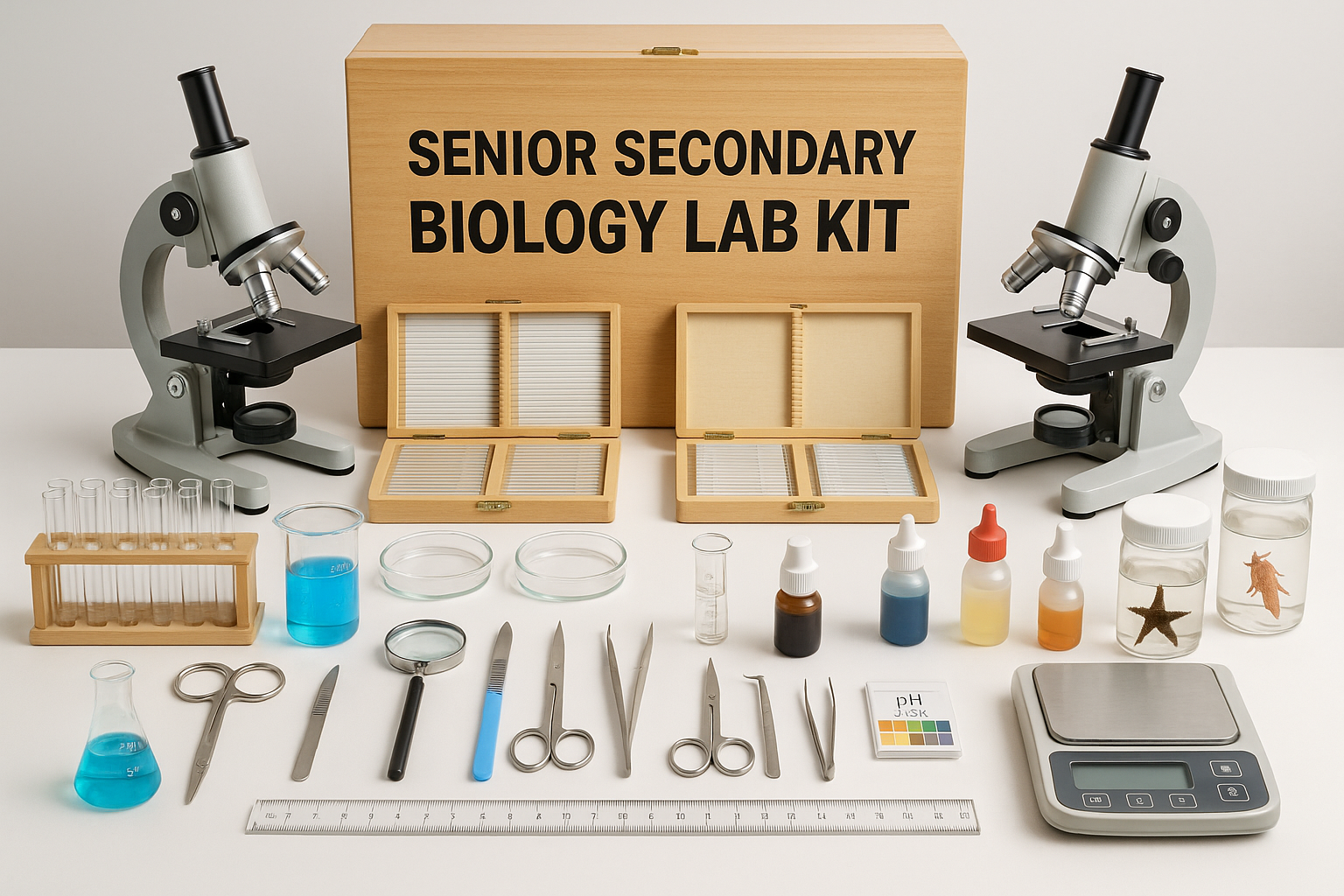
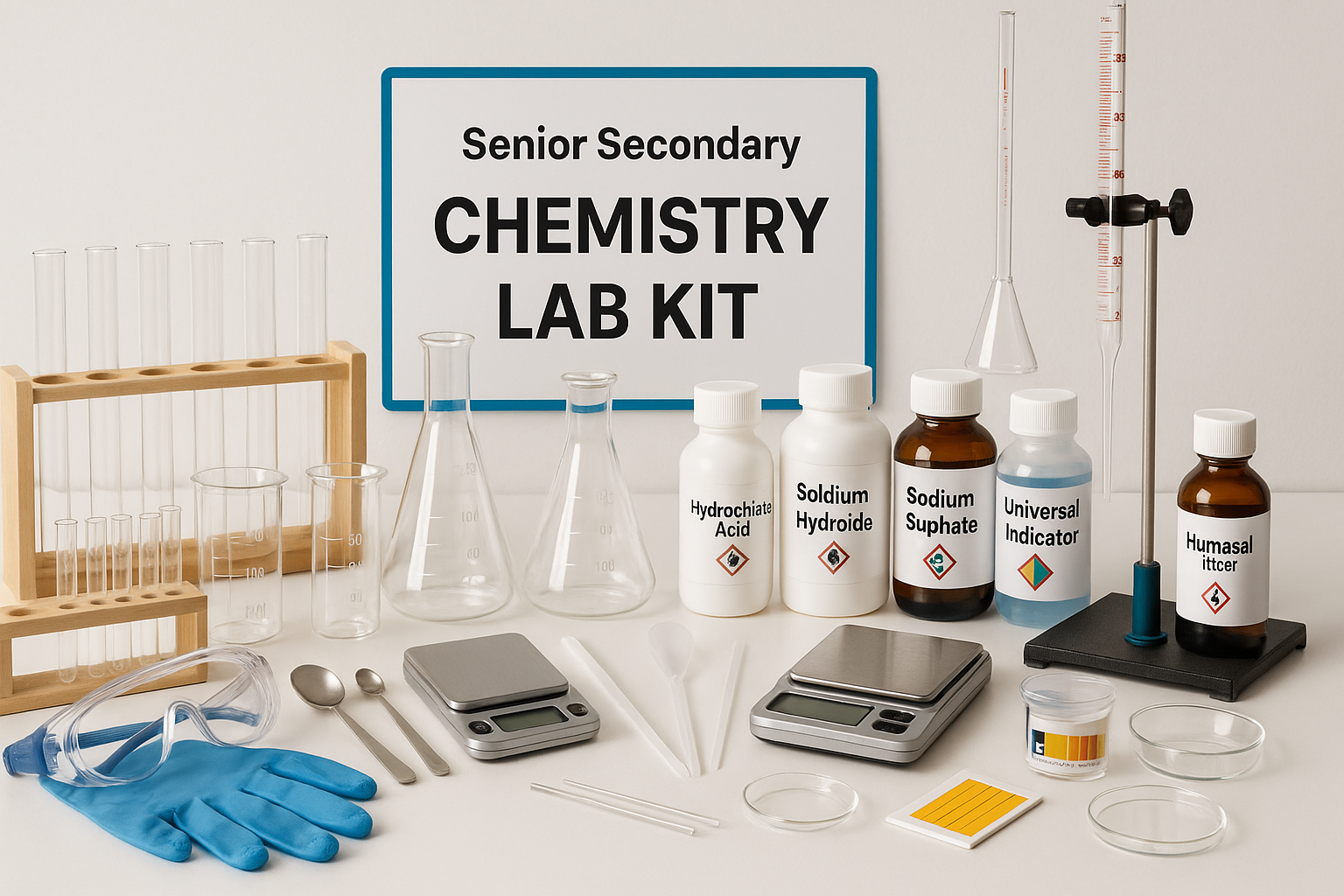
LABORATORYDEAL India maintains a good quality assurance of all its products and provides lab equipment at affordable and eco-friendly rates. The company provides lab equipment throughout and outside the country and has a network of dealers and distributors in various states, including Andhra Pradesh, Arunachal Pradesh, Assam, Bihar, Chhattisgarh, Goa, Gujarat, Haryana, Himachal Pradesh, Jharkhand, Karnataka, Kerala, Madhya Pradesh, Maharashtra, Manipur, Meghalaya, Mizoram, Nagaland, Odisha, Punjab, Rajasthan, Sikkim, Tamil Nadu, Telangana, Tripura, Uttar Pradesh, Uttarakhand, and West Bengal
One of the fundamental gas preparation techniques is the use of purifiers, which are designed to remove impurities from gases. These purifiers can be based on various principles, such as adsorption, absorption, or chemical reaction. For instance, a common method for purifying gases like hydrogen or nitrogen involves passing them through a solid adsorbent, which traps contaminants like water vapor and other volatile substances.
Another technique is cryogenic distillation, which takes advantage of the different boiling points of gases. This method is primarily used for separating gases like oxygen and nitrogen from air. By cooling air to very low temperatures, the gases can be liquefied and then distilled to achieve high purity levels. This technique is widely employed in the production of industrial gases.
Membrane separation is also a popular gas preparation technique that utilizes specially designed membranes to selectively allow certain gases to pass through while blocking others. This method can effectively separate oxygen from nitrogen in air, making it a valuable approach in medical and industrial applications where pure oxygen is required.
Another critical aspect of gas preparation techniques involves the use of drying agents. These substances, such as silica gel or molecular sieves, are used to remove moisture from gases. In various applications, especially in analytical chemistry and instrumentation, the presence of water vapor can lead to erroneous results or equipment malfunction. Therefore, employing efficient drying techniques is crucial for achieving accurate outcomes.
Gas collection methods play a significant role in gas preparation as well. Depending on the gas in question, different collection techniques may be employed. For example, gases that are lighter than air can be collected using an inverted graduated cylinder, while denser gases can be collected using gas jars. Proper collection techniques ensure that the gases are gathered without contamination from the environment.
Furthermore, gas preparation techniques include the proper handling and storage of gases to prevent leaks and ensure safety. Gases should be stored in appropriate containers designed for their specific properties, such as pressure and reactivity. Furthermore, safety protocols must be in place to deal with potential leaks or accidents, ensuring that personnel are equipped to manage any emergencies that may arise.
For gases used in chemical reactions, preparation often entails ensuring the proper mixing of reactants. Techniques such as bubbling a gas through a liquid, using gas spargers, or applying agitation can help achieve better mixing and reaction rates. Consequently, the choice of gas preparation technique can significantly influence the success of chemical processes.
In conclusion, mastering gas preparation techniques is essential for many industries and scientific fields. Whether through purification, separation, drying, or safe handling, these techniques ensure that gases are primed for optimal performance in their respective applications. Given the diverse range of gas preparation techniques available, understanding their principles, applications, and best practices is critical for anyone working with gases.