
Laboratory Equipment: Understanding the Essential Tools for Every Lab
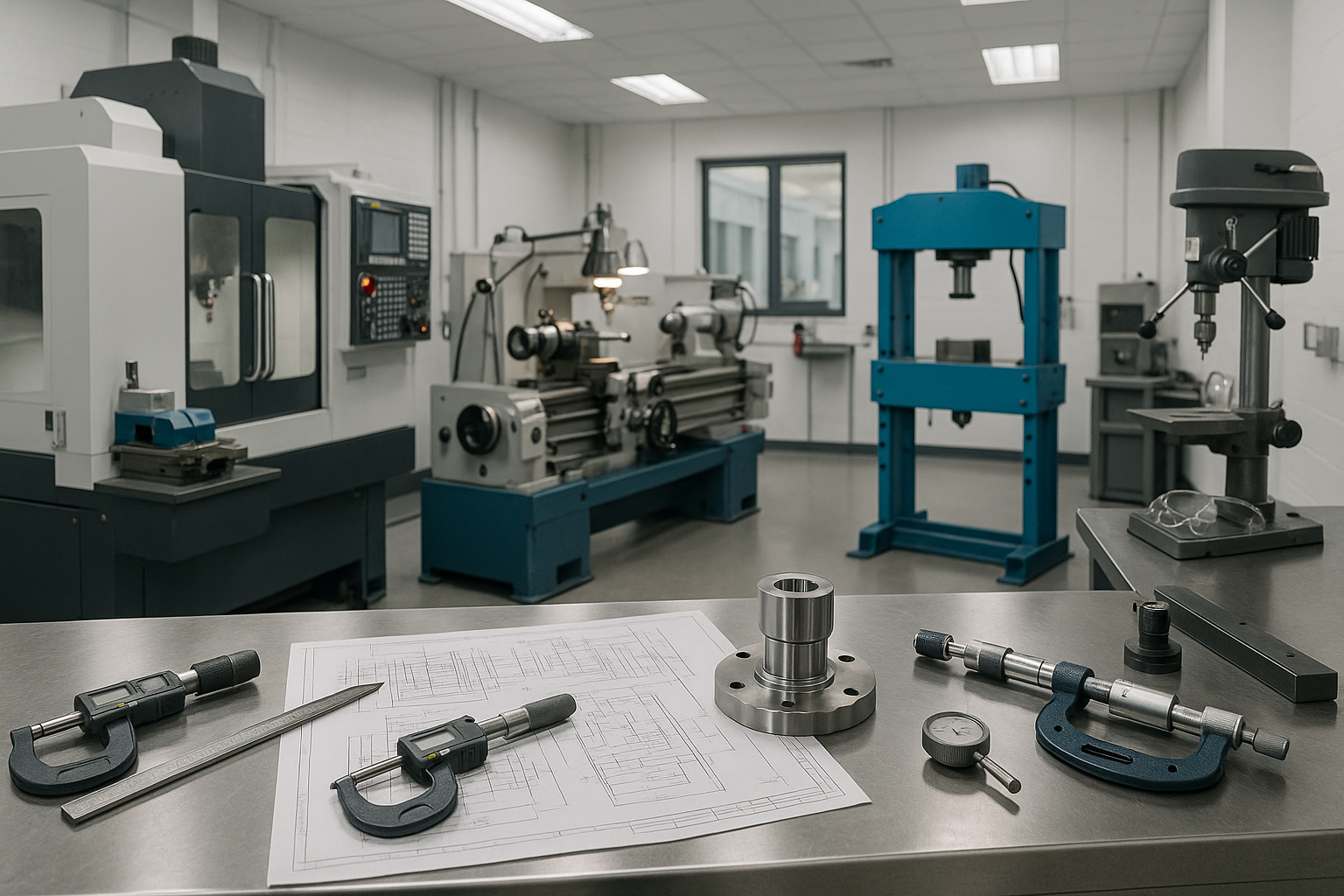
Laboratory equipment plays a pivotal role in the operation of any scientific facility. These tools are necessary for conducting experiments, analyzing samples, and ensuring accurate results in various fields including chemistry, biology, and physics. From essential instruments such as microscopes and pipettes to complex machines like centrifuges and spectrophotometers, understanding laboratory equipment is crucial for anyone working in a lab environment.
A laboratory is a controlled environment where scientific research, experimentation, and analysis take place. The specific equipment found in a laboratory will vary depending on the field of study and the types of experiments conducted. However, here's a general list of some common laboratory equipment you might find in various scientific settings:
-
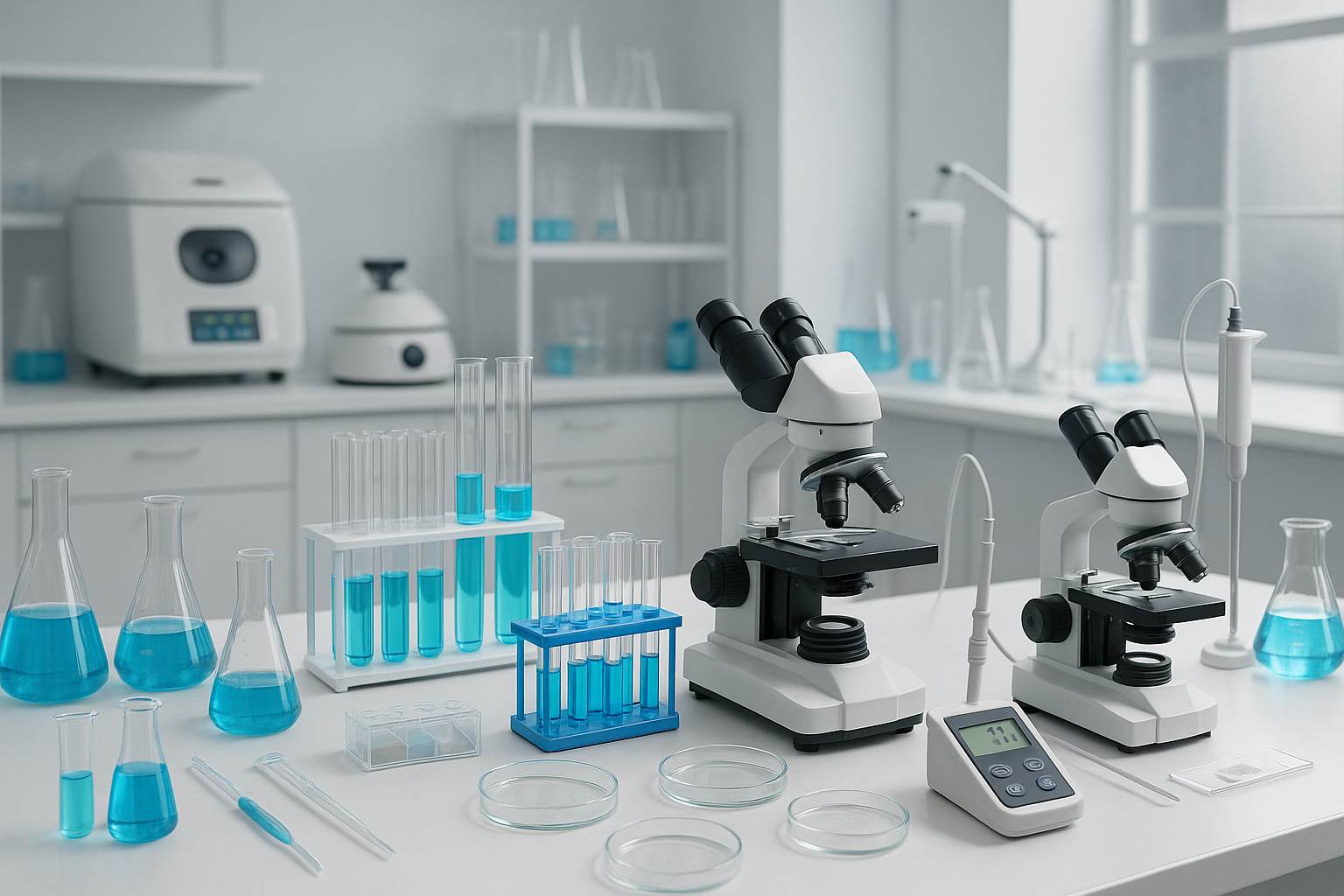
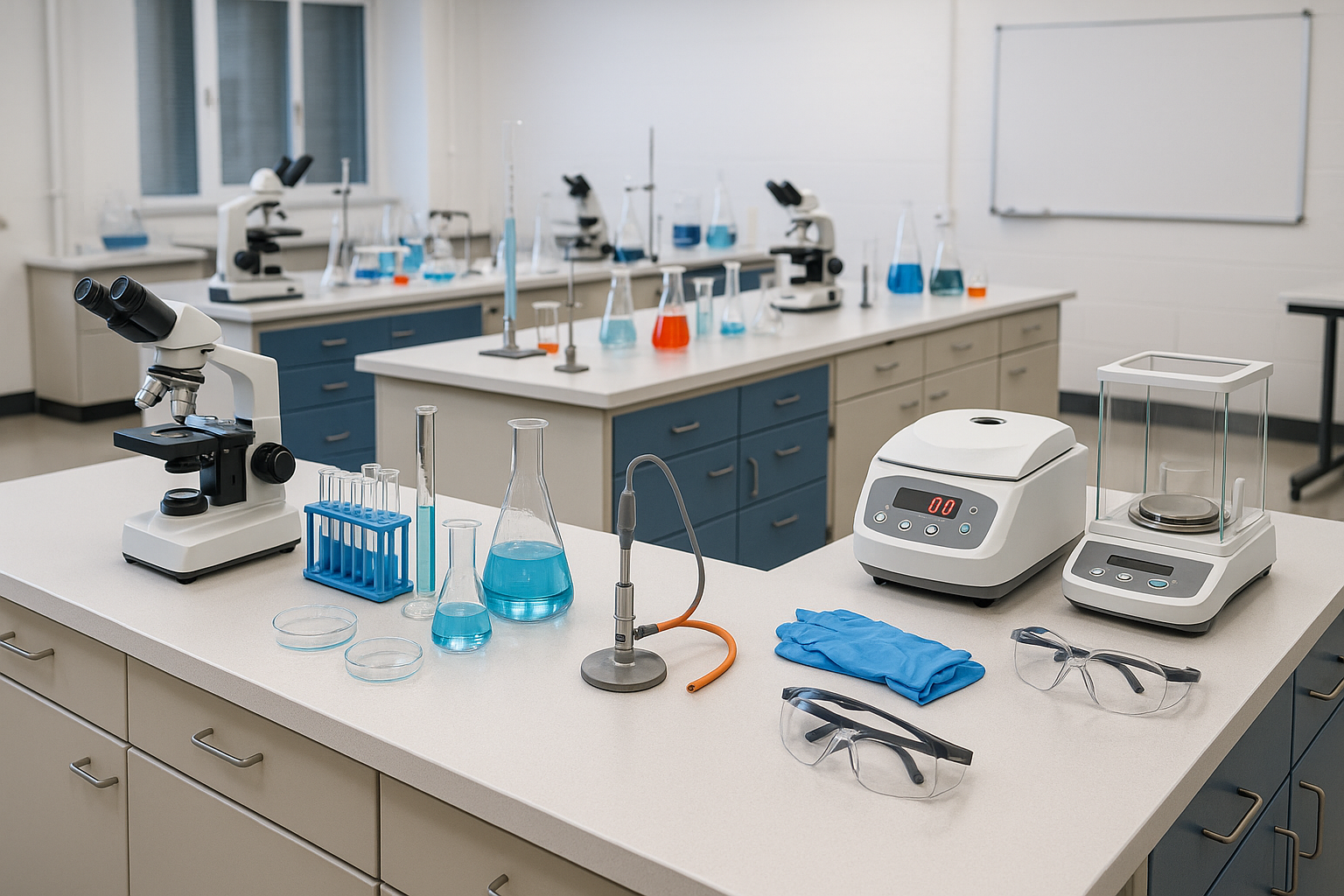
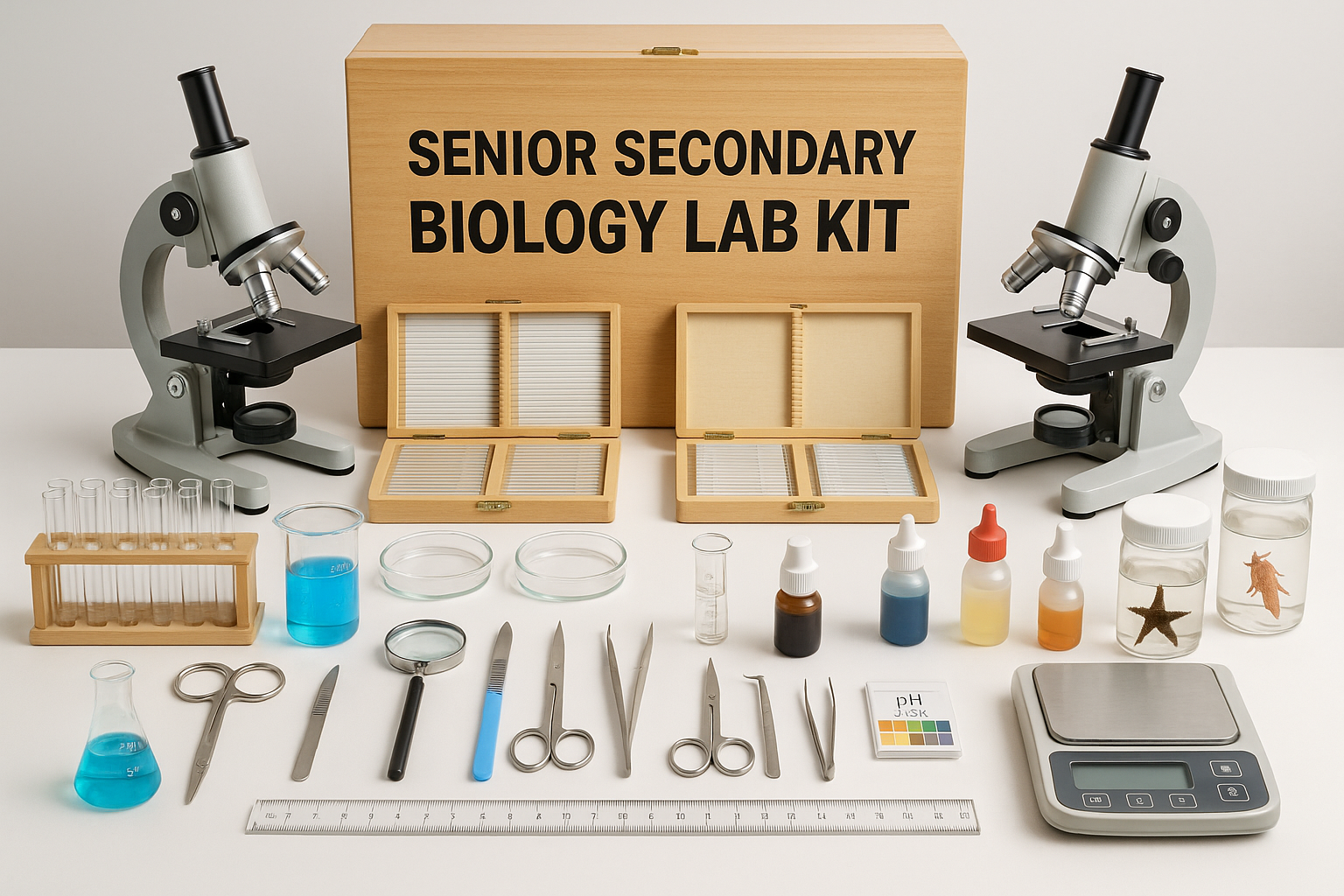
Microscopes: Used to magnify and visualize small objects or samples, such as cells, bacteria, or microorganisms.
-
Centrifuges: Used to separate substances based on their density or mass, typically by spinning samples at high speeds.
-
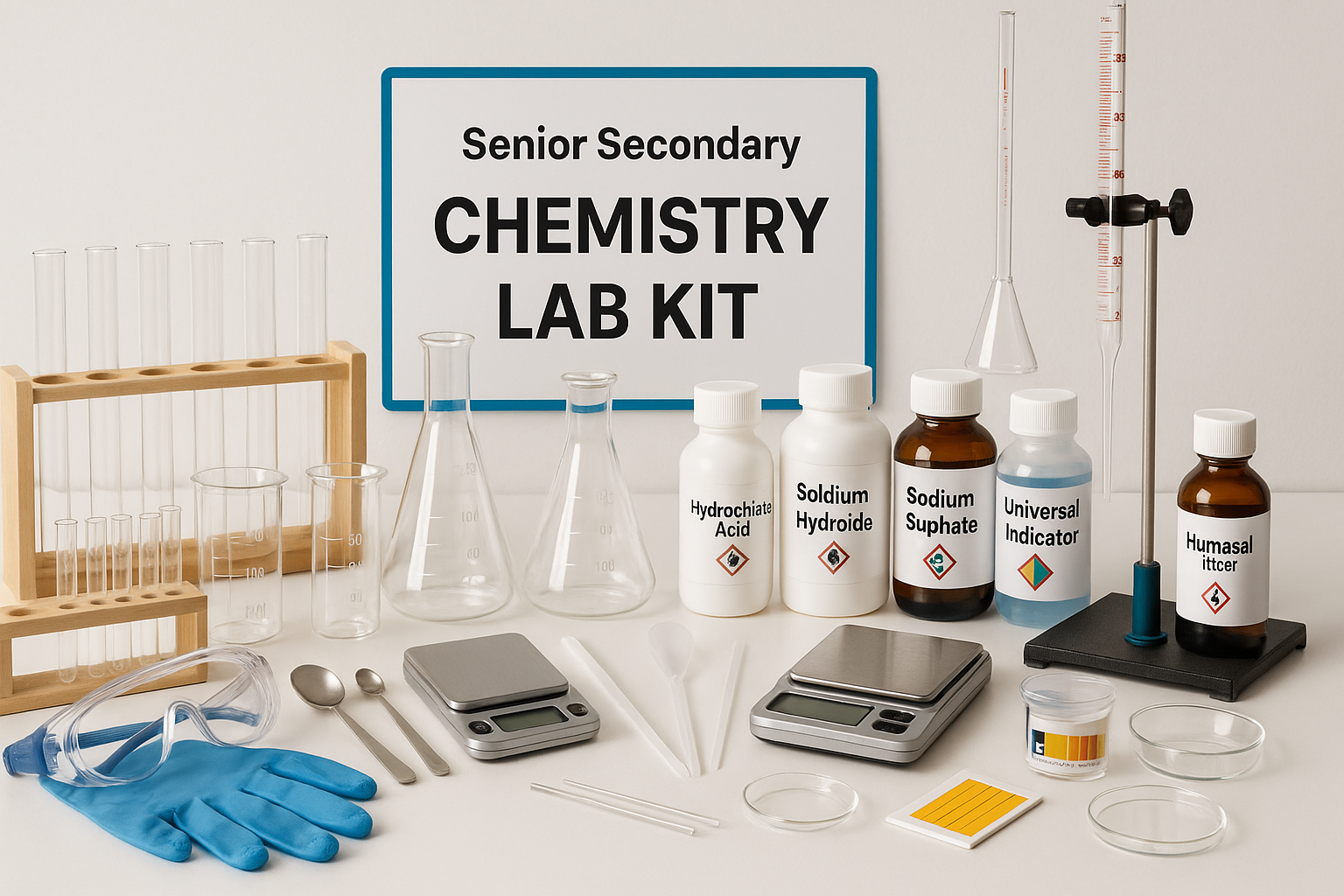
Beakers, Flasks, and Test Tubes: Containers used for holding, mixing, and heating liquids and solutions.
-
Pipettes and Micropipettes: Precision instruments for accurately measuring and transferring small volumes of liquids.
-
Bunsen Burners: Commonly used heat source for laboratory experiments and sterilization.
-
Incubators: Maintain controlled temperature and environmental conditions for the growth of microorganisms or cell cultures.
-
Autoclaves: High-pressure steam sterilizers used to decontaminate equipment and media.
-
Spectrophotometers: Measure the absorption and emission of light by samples, used for quantitative analysis.
-
pH Meters: Measure the acidity or alkalinity of solutions.
-
Balances: Sensitive instruments used to measure the mass of substances.
-
Ovens: Provide controlled heating for drying or baking samples.
-
Safety Equipment: This includes lab coats, gloves, safety goggles, and other protective gear to ensure researchers' safety.
-
Fume Hoods: Provide ventilation and remove harmful fumes or vapors from the laboratory workspace.
-
Gel Electrophoresis Equipment: Used to separate and analyze DNA, RNA, and proteins based on size and charge.
-
PCR Machines: Polymerase Chain Reaction machines are used to amplify DNA samples for analysis.
-
Hot Plates and Stirrers: Used for heating and mixing solutions.
-
Microplate Readers: Analyze and quantify samples in microtiter plates used in high-throughput experiments.
-
Refrigerators and Freezers: Store temperature-sensitive reagents, samples, and cultures.
-
Water Baths: Provide a controlled and consistent temperature for immersing samples or containers.
-
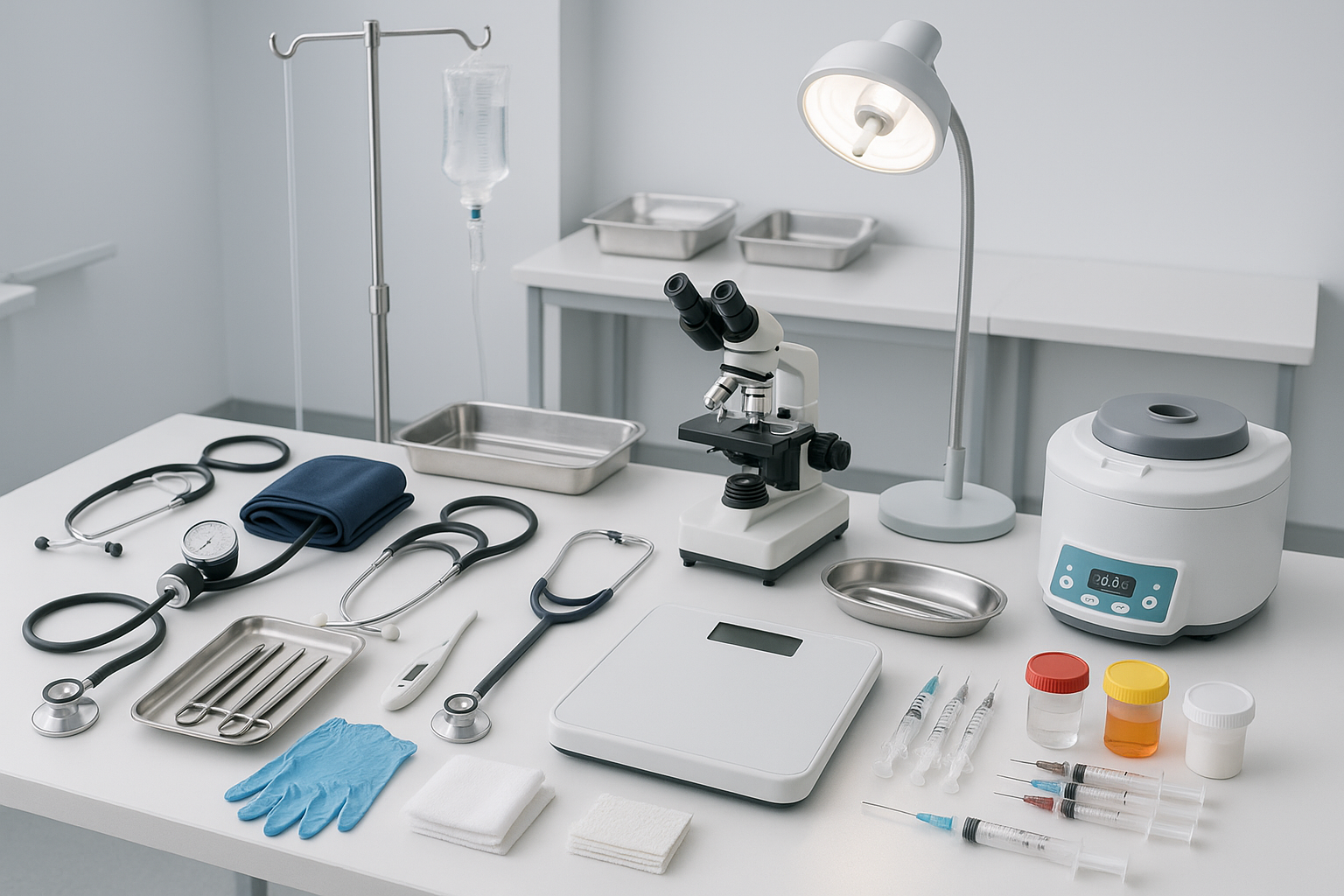
Syringes and Needles: Used for precise liquid handling or injection.
-
Desiccators: Store samples in a low-humidity environment to prevent moisture absorption.
-
Conductivity Meters: Measure the ability of solutions to conduct electricity.
-
Magnetic Stirrers: Stir solutions using magnetic fields to avoid contamination.
-
Calorimeters: Measure heat released or absorbed in chemical reactions.
-
Gas Chromatography (GC) or High-Performance Liquid Chromatography (HPLC) systems: Used to separate and analyze complex mixtures of compounds.
Remember that this list is not exhaustive, and the equipment in a laboratory will depend on the specific research and experimental needs of that particular scientific discipline. Additionally, some modern laboratories might also incorporate advanced technologies like robotics, automated liquid handlers, and sophisticated analytical instruments, depending on the nature of the research being conducted.
In a typical laboratory, various types of laboratory equipment are used to facilitate research and development. Each piece of equipment serves a specific purpose and must be used according to established protocols to ensure safety and accuracy. Essential laboratory equipment includes items for measuring, mixing, heating, and storing samples. For instance, balances are essential for measuring mass, while beakers and flasks are used for mixing chemicals. Safety equipment, such as goggles, gloves, and fume hoods, are also considered critical laboratory equipment to protect individuals from hazardous materials.
Proper care and maintenance of laboratory equipment cannot be overstated. Regular calibration is necessary to ensure that instruments provide accurate measurements. Cleaning protocols must be strictly followed to prevent cross-contamination between samples. Researchers rely on their tools to provide consistent and reliable results, making maintenance an integral aspect of laboratory practices.
Moreover, advances in technology have led to the development of sophisticated laboratory equipment that can perform a multitude of functions. Automated pipetting systems, for example, reduce the risk of human error and increase efficiency in experiments. Similarly, advanced imaging techniques utilize high-resolution cameras and computer software to analyze samples with precision. As laboratories continue to evolve, the integration of digital technology into traditional laboratory equipment is becoming increasingly common.
It is also important to consider the sourcing of laboratory equipment. High-quality tools tailored to specific applications can make a significant difference in the outcome of experiments. Laboratories often need to balance cost with quality; choosing equipment from reputable suppliers is key to ensuring performance and reliability.
Laboratory equipment varies based on the type of research being conducted. For instance, a biology lab may require incubators and autoclaves, while a chemistry lab might need rotary evaporators and reflux setups. Understanding the specific needs of a lab allows researchers to select the most appropriate tools for their work, optimizing productivity and results.
In conclusion, laboratory equipment is an indispensable part of scientific research. The right tools not only aid in conducting experiments but also enhance the accuracy of results. By familiarizing oneself with laboratory equipment and its maintenance, researchers can significantly contribute to the advancement of their respective fields. As the landscape of scientific research continues to evolve, staying updated on new laboratory equipment and best practices will be crucial for success.