
Understanding Elementary Microscopes
Elementary Microscopes are essential tools in various fields, providing a means to explore the microscopic world. In this comprehensive guide, we will delve into the fundamental aspects and uses of elementary microscopes, catering to students, educators, and enthusiasts alike. Throughout this guide, you'll discover the basic structure, types, and applications of these types of microscopes, along with maintenance tips that enhance their longevity and performance.
Elementary microscopes, often used in educational settings, are generally simpler in design compared to more advanced models, making them an ideal choice for beginners. They usually feature a single lens or a few lenses, offering users the ability to magnify objects effectively. Understanding these microscopes' components, such as the eyepiece, objective lens, and stage, is crucial for anyone looking to utilize them successfully.
The most common design for elementary microscopes is the compound microscope, which combines two or more lenses to achieve higher magnification and resolution. These microscopes can typically magnify objects from 40x to 1000x, depending on the configuration and quality of the optics used. The primary advantage of using elementary microscopes lies in their ability to view specimens not visible to the naked eye, including cells, bacteria, and various minute structures.
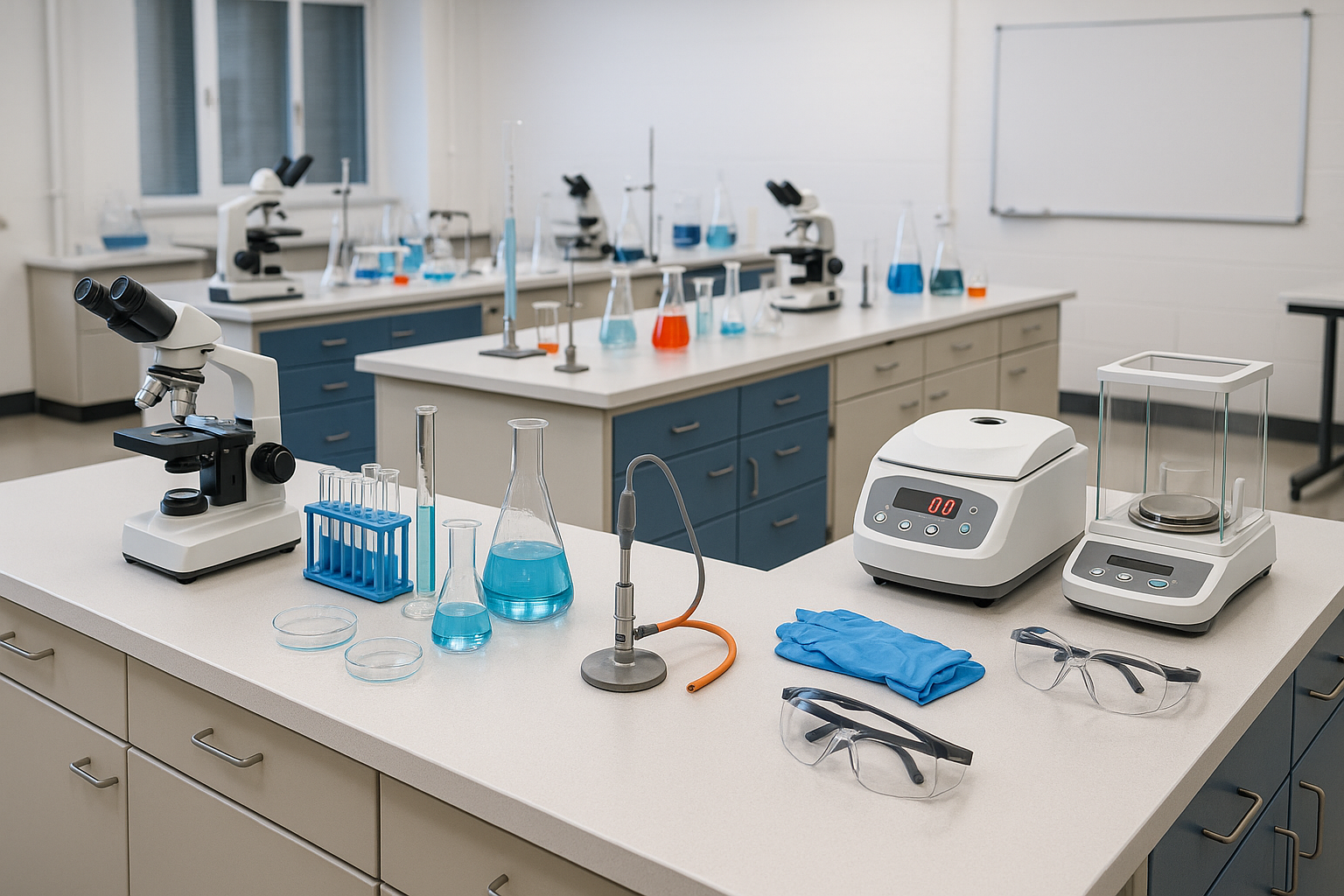
In schools and colleges, elementary microscopes serve as practical tools for biology classes. Students get hands-on experience preparing slides, managing light sources, and focusing microscopes to observe microorganisms and plant tissues. Such activities not only enhance understanding of biological concepts but also build essential laboratory skills that are valuable in advanced studies.
Apart from education, elementary microscopes are also useful in hobbyist circles. Amateur scientists and nature enthusiasts often utilize these microscopes to study plant biology, insect structures, or even to explore materials like fabrics and papers. This amateur exploration cultivates curiosity and a deeper appreciation for the intricacies of nature.
Moreover, researchers in fields such as geology, material science, and forensic science also benefit from elementary microscopes. While these professionals often upgrade to more advanced models for detailed analysis, an elementary microscope provides sufficient detail for initial examinations and assessments. For instance, geologists can use them to observe mineral samples or crystal structures, leading to significant insights in their studies.
Before purchasing an elementary microscope, several factors should be considered, including the intended use, budget, and the type of specimens to be examined. There are numerous manufacturers offering various models, which can cater to different user needs, from basic educational models to slightly advanced designs that allow for more versatility.
Proper maintenance of elementary microscopes is essential to ensure they function effectively over time. Regular cleaning of lenses, proper storage, and handling precautions will help maintain the quality and longevity of the device. Users should be mindful to avoid direct sunlight or extreme temperatures when storing their microscopes, as these conditions can damage sensitive optical components.
In conclusion, elementary microscopes are invaluable educational tools and serve diverse purposes in both professional and hobbyist contexts. By understanding their basic construction, types, and applications, users can maximize their experience and explore the fascinating world of the microscopic realm.