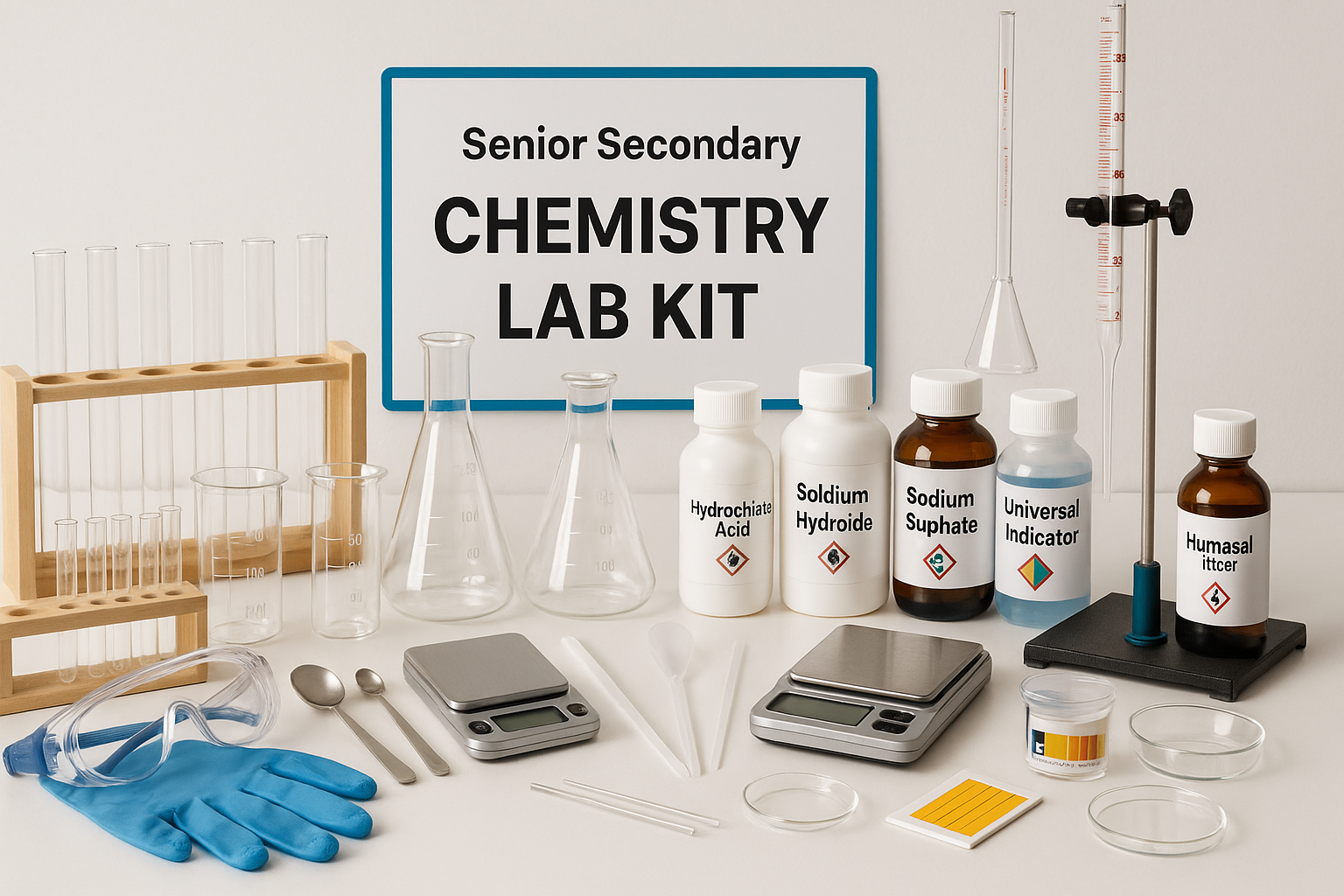
Dravya Guna Equipment List: Essential Instruments, Equipments, Glasswares & Chemicals

Dravya Guna Equipment List: Essential Instruments, Equipments, Glasswares & Chemicals - laboratorydeal

Dravya Guna Equipment List

The Dravya Guna Equipment List is an essential compilation of tools and instruments used in the study and application of Ayurvedic pharmacology. This list is crucial for practitioners, students, and researchers who aim to delve into the intricacies of medicinal plants, their properties, and therapeutic uses. Understanding this equipment list not only aids in the practical application of Ayurvedic principles but also enhances the accuracy and reliability of research in this ancient field of science.

List of Equipment and Instruments in Pharmacognosy Laboratory (Dravyaguna)

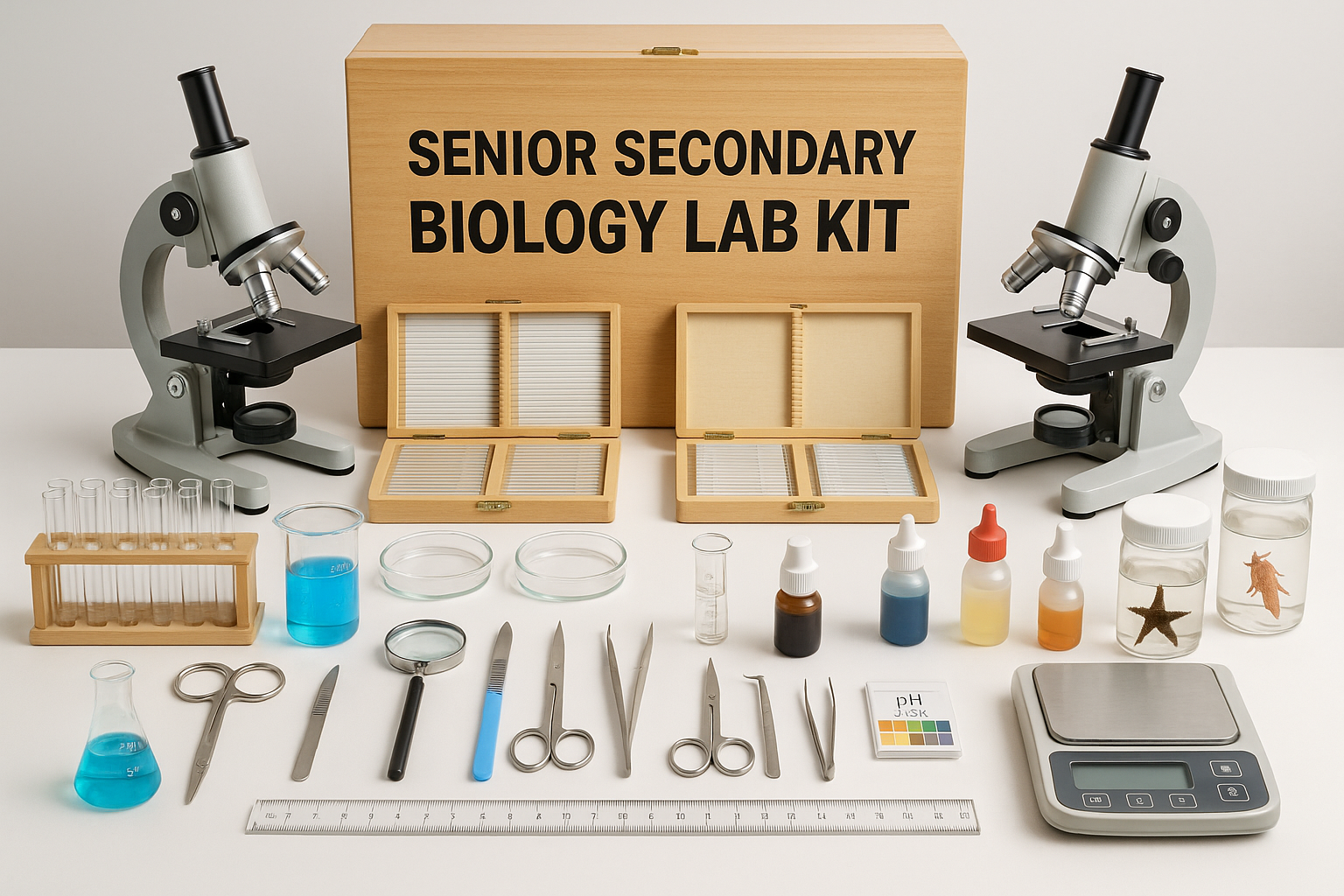
Below is the detailed listĀ of equipment and instruments available in a typical Pharmacognosy (Dravyaguna) Laboratory, including their counts and availability status:

  1. Field Magnifier - 1
  2. Compound Microscope - 1
  3. Dissecting Microscope - 1
  4. Microscope - 15
  5. Electronic Balance - 1
  6. Slides Box with Cover Slips - Available
  7. Blotting/Filter Papers - Available
  8. Dissection Box - Available
  9. Enamel Trays - Available

Reagents Available:

  • Chloroform
  • Alcohol
  • Hydrochloric Acid (HCL)
  • Sulphuric Acid
  • Sodium Hydroxide
  • Potassium Hydroxide
  • Benedict Solution
  • Sodium Nitrate
  • Potassium Nitrate
  • Citric Acid
  • Iodine
  • Ethyl Alcohol
  • Potassium Iodide
  • Xylol/Pure Xylene (for Slide Preparation)

Here is the detailed list of equipment, instruments, and reagents available in a typical Pharmacognosy Laboratory, including their specifications and availability:

  1. Field MagnifierĀ 

    • Specification: Handheld magnifier with 5x-10x magnification. Compact and lightweight, used for close-up examination of plant parts in the field.
  2. Compound MicroscopeĀ 

    • Specification:
      • Magnification Range: 40x-1000x
      • Head: Monocular or binocular with 360° rotatable head
      • Objectives: Achromatic lenses 4x, 10x, 40x, 100x (oil immersion)
      • Eyepiece: 10x wide-field
      • Illumination: LED or halogen light source with adjustable intensity
      • Focus: Coarse and fine adjustment knobs for precise focusing
      • Stage: Mechanical stage with slide holder for easy positioning of slides
  3. Dissecting MicroscopeĀ 

    • Specification:
      • Magnification Range: 10x-40x
      • Head: Binocular head with adjustable interpupillary distance
      • Objectives: Paired low-power objectives for 3D viewing
      • Illumination: Top and bottom LED light sources
      • Stage: Plain stage with clips or glass plate for holding specimens
  4. MicroscopeĀ 

    • Specification: Standard student microscopes for educational use.
      • Magnification: 40x-400x
      • Head: Monocular
      • Focus: Coarse and fine adjustment knobs
      • Stage: Fixed or mechanical stage with slide clips
      • Illumination: Mirror or LED lighting for bright field viewing
  5. Electronic BalanceĀ 

    • Specification:
      • Capacity: 200g-500g
      • Readability: 0.01g or 0.001g
      • Features: Digital display, tare function, calibration options, and high-precision sensors for accurate measurements.
  6. Slides Box with Cover SlipsĀ 

    • Specification:
      • Boxes designed for holding 50-100 microscope slides with transparent cover slips included for slide preparation.
  7. Blotting/Filter PapersĀ 

    • Specification:
      • Available in different sizes and thicknesses for filtration and blotting applications in sample preparation.
  8. Dissection BoxĀ 

    • Specification:
      • Includes essential dissection tools such as scalpels, forceps, scissors, needles, and tweezers made of stainless steel for durability.
  9. Enamel TraysĀ 

    • Specification:
      • Size varies, typically 12"x8" or larger. Used for holding samples during dissection and observation.

Reagents Available with Specifications:

  1. Chloroform

    • Specification: Analytical grade, used as a solvent in extraction processes.
  2. Alcohol

    • Specification: Ethanol, 95%-99% purity, used for disinfection, preservation, and extraction.
  3. Hydrochloric Acid (HCL)

    • Specification: Concentration typically 37%, used in sample preparation and chemical analysis.
  4. Sulphuric Acid

    • Specification: Concentrated, used for various chemical reactions and sample treatments.
  5. Sodium Hydroxide

    • Specification: Available as pellets or a solution, used in pH adjustments and chemical testing.
  6. Potassium Hydroxide

    • Specification: Similar to sodium hydroxide, used in saponification and other chemical processes.
  7. Benedict Solution

    • Specification: Used in qualitative tests for reducing sugars.
  8. Sodium Nitrate

    • Specification: High-purity grade, used in chemical analysis.
  9. Potassium Nitrate

    • Specification: Analytical grade, used in various chemical tests.
  10. Citric Acid

    • Specification: Crystalline powder, used as an acidifying agent.
  11. Iodine

    • Specification: Standard iodine solution, used for staining and chemical reactions.
  12. Ethyl Alcohol

    • Specification: Typically 95% or absolute alcohol, used as a solvent and disinfectant.
  13. Potassium Iodide

    • Specification: Used in iodine preparations and chemical tests.
  14. Xylol/Pure Xylene (for Slide Preparation)

    • Specification: High purity, used as a clearing agent in slide preparation.

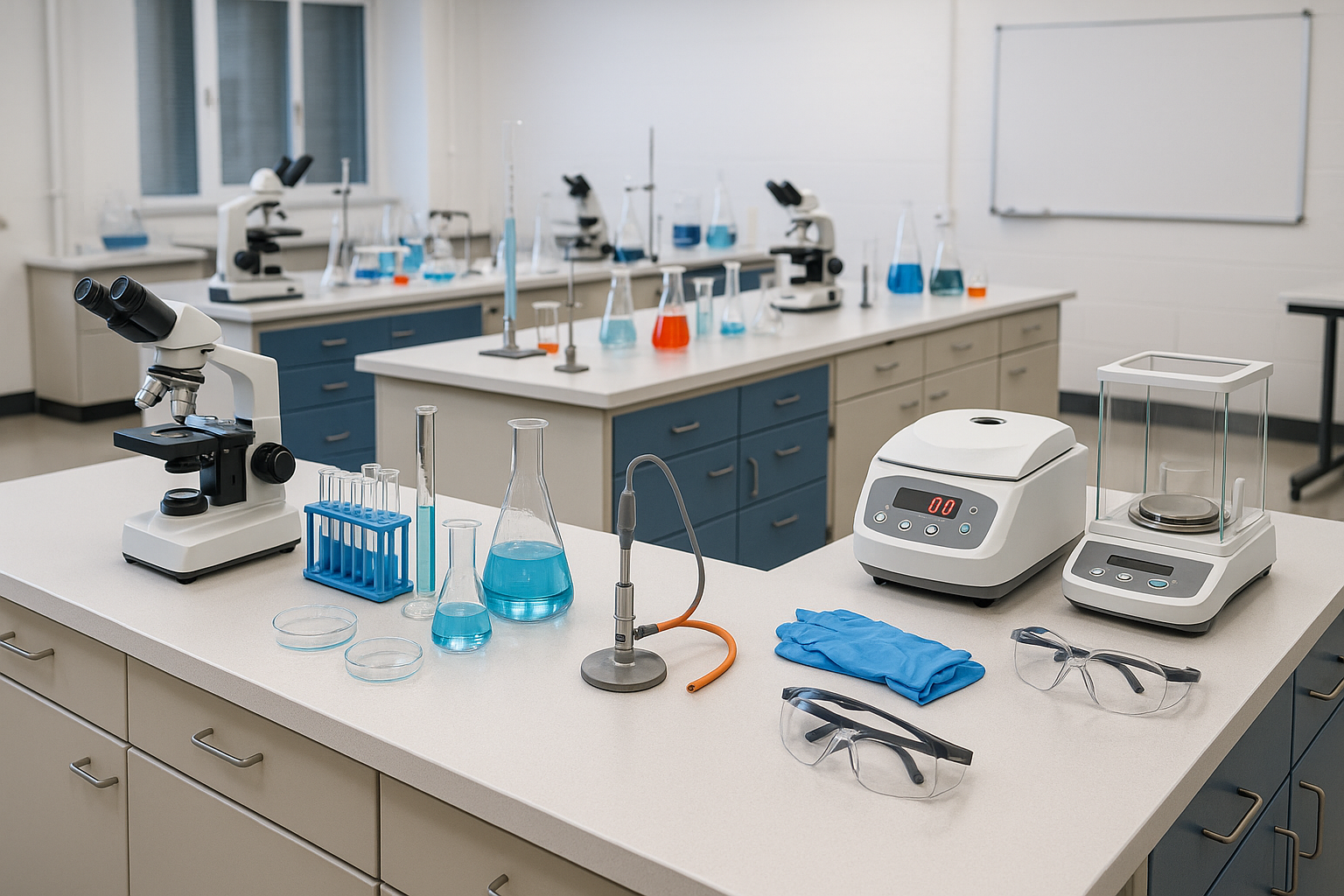
When exploring the Dravya Guna Equipment List, one must consider various categories of instruments. These include analytical tools, glassware, chemicals, and various other equipment necessary for conducting experiments and preparing Ayurvedic formulations. Each category plays a pivotal role in ensuring that the processes adhere to the standards required for effective research and application.

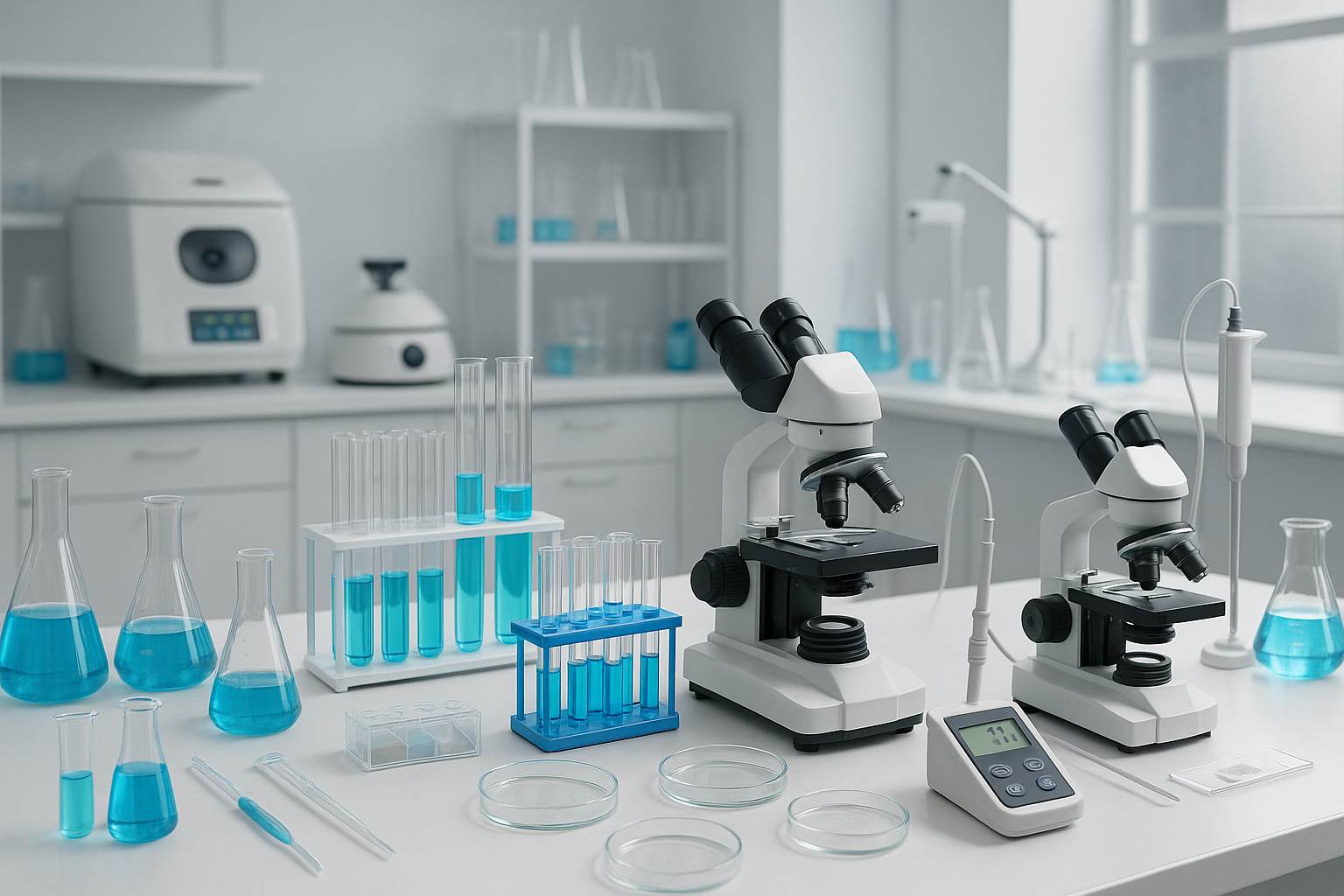
Among the essential instruments, we find microscopes, which are indispensable for examining the micro-structure of herbs and plant materials. Analytical balances are crucial for measuring precise quantities of herbs and chemicals, ensuring that formulations maintain their intended potency. The role of pH meters cannot be overlooked, as they help in determining the acidity or alkalinity of solutions, which is vital for herbal extraction and formulation.

In glassware, we typically see a range of flasks, beakers, test tubes, and pipettes. Each item serves a unique purpose, facilitating the mixing, heating, and sampling processes necessary for experimentation. Glassware must be of high quality to avoid contamination and ensure that results are valid and reliable. It's also imperative for researchers to understand the importance of clean glassware to maintain the integrity of the experiments being conducted.

Moving on to the chemicals included in the Dravya Guna Equipment List, these components are critical for conducting various reactions and extractions. Organic solvents, acids, bases, and reagents must be stored and handled with care due to their reactive nature. Mastery in chemistry is necessary to ensure safe handling and compliance with health regulations when working with these chemicals.

Storage conditions for both instruments and chemicals should also be considered in the Dravya Guna Equipment List. It is essential to have appropriate shelving, cabinets, and climate controls to ensure that all materials remain usable over time. Regular maintenance checks for equipment help in preventing equipment malfunction, which can impede research progress.

In addition to physical equipment and instruments, understanding the software tools that can help analyze data and manage information are equally crucial. With advancements in technology, software for data tracking, analysis, and documentation has become an integral part of research. This includes laboratory information management systems (LIMS) that streamline the process of recording data and managing samples efficiently.

Moreover, the Dravya Guna Equipment List extends beyond typical laboratory equipment. It encourages the integration of Ayurvedic principles into the selection of instruments. For instance, traditional methods of extraction and preparation must be respected and documented, ensuring that the essence of Ayurvedic practices is maintained within modern applications.

Training and education regarding the proper use of the equipment on the Dravya Guna Equipment List are paramount. Workshops and seminars can provide crucial insights and skills to enhance the user's ability to effectively utilize the instruments available. Knowledge sharing in the field encourages innovations and improves the quality of research being conducted.

Additionally, regulatory compliance plays a significant role in developing a comprehensive Dravya Guna Equipment List. Many countries have specific guidelines on the safety and efficacy of herbal products. Understanding these regulations ensures that researchers not only comply but also contribute to the credibility of Ayurvedic practices on a larger scale.

In summary, the Dravya Guna Equipment List is an all-encompassing guide for anyone involved in Ayurvedic research. By paying attention to the various categories of instruments, glassware, and chemicals, one can ensure a robust approach to studying and applying Ayurveda. Knowledge, skill, and proper equipment are the primary triad that will lead to successful outcomes in this fascinating field.
9 comments

hdt-avatar
Michaeloffek

luxury car hire dubai

October 7, 2025 at 19:40pm
hdt-avatar
MichaelIcect

https://writexo.com/share/fl6in288

August 23, 2025 at 04:44am
hdt-avatar
ScottGaure

https://leetcode.com/u/findycartr/

August 22, 2025 at 16:13pm
hdt-avatar
MichaelLek

online virtual number for whatsapp

August 15, 2025 at 13:01pm
hdt-avatar
Pierrewoope

https://webyourself.eu/findycarnl

August 2, 2025 at 23:43pm

Leave a comment

Your email address will not be published. Required fields are marked *