
Autotronics Systems: Transforming the Automotive Landscape
Autotronics Systems are at the forefront of the automotive technology revolution, integrating electronics and automation to enhance vehicle performance, safety, and efficiency. The convergence of traditional automotive engineering with advanced electronics has led to a paradigm shift in how vehicles operate. In recent years, the advancement of vehicle automation and connectivity through Autotronics Systems has not only improved the driving experience but also contributed significantly to environmental sustainability by optimizing fuel usage and reducing emissions.
Autotronics, also known as automotive electronics, refers to the application of electronic systems and technology in automobiles. It encompasses a wide range of electronic components and systems that are integrated into modern vehicles to enhance their performance, efficiency, safety, and overall user experience. Autotronics systems have become increasingly prevalent in recent years, with advancements in technology and the growing demand for advanced features in vehicles.
Here is a description of some key autotronics systems commonly found in modern vehicles:
-
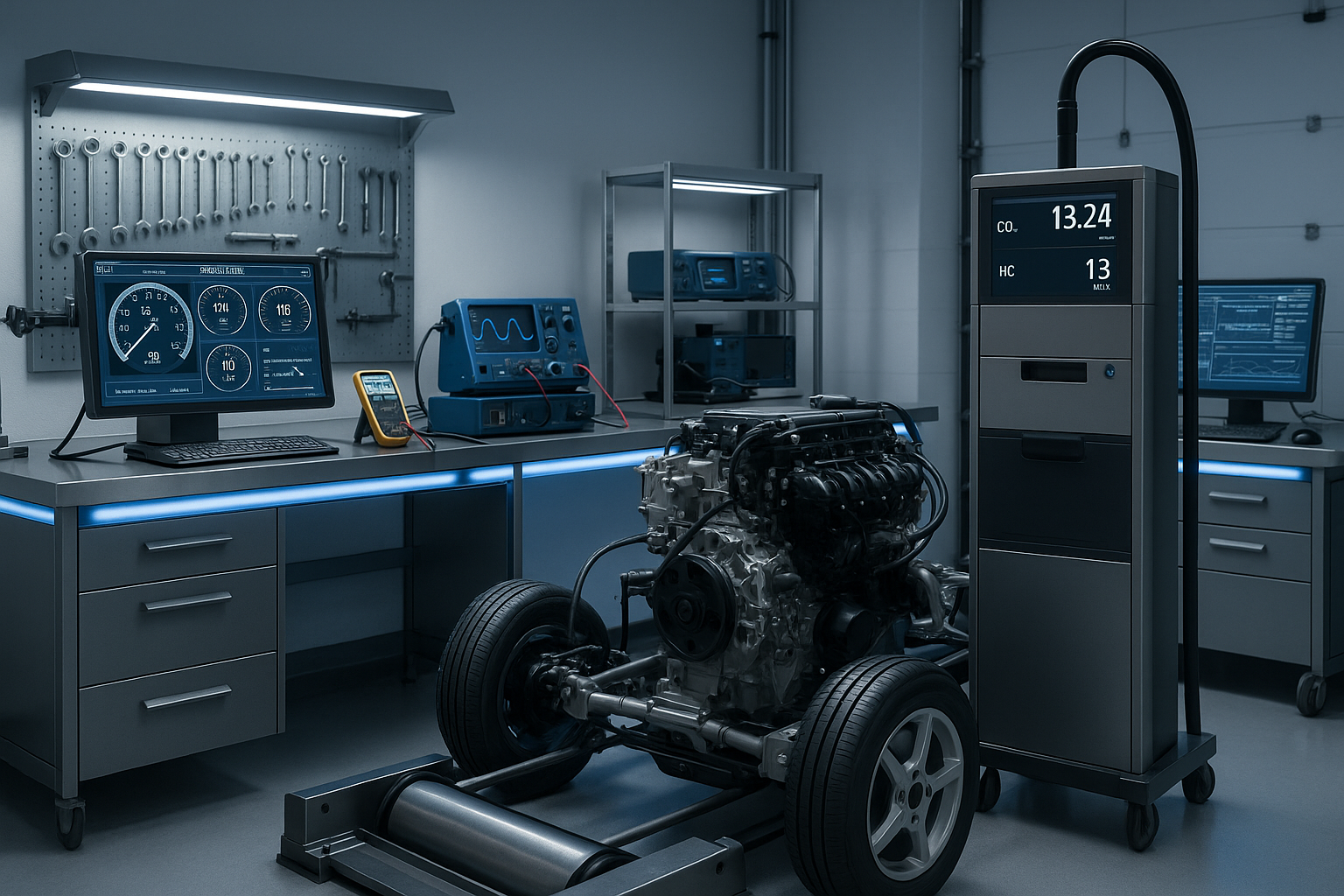
Engine Control Unit (ECU): The ECU is a crucial component in the autotronics system. It is responsible for monitoring and controlling the engine's operation. The ECU collects data from various sensors, such as the throttle position sensor, oxygen sensor, and temperature sensors, and uses that information to adjust fuel injection, ignition timing, and other engine parameters to optimize performance, fuel efficiency, and emissions.
-
Anti-lock Braking System (ABS): ABS is a safety system that prevents the wheels from locking up during braking. It uses sensors to detect wheel speed and modulates the brake pressure on individual wheels to maintain traction and stability, allowing the driver to maintain control while braking.
-
Electronic Stability Control (ESC): ESC is designed to enhance vehicle stability by continuously monitoring factors such as steering input, vehicle yaw rate, and lateral acceleration. If the system detects an impending loss of control, it selectively applies brakes to specific wheels and, in some cases, adjusts engine power to help the driver regain control and prevent skidding or spinning out.
-
Advanced Driver Assistance Systems (ADAS): ADAS encompasses a range of features that assist the driver in various aspects of driving. Examples include adaptive cruise control, lane departure warning, blind-spot monitoring, forward collision warning, and automatic emergency braking. ADAS systems typically utilize sensors such as cameras, radar, and LIDAR to detect objects and provide real-time feedback or automated interventions to enhance safety and convenience.
-
Infotainment System: The infotainment system integrates entertainment, navigation, and connectivity features in the vehicle. It often includes a touchscreen display or user interface that allows access to various functions, such as audio/video playback, smartphone integration, satellite navigation, hands-free calling, and voice recognition.
-
Climate Control System: The climate control system regulates the temperature, ventilation, and air conditioning in the vehicle's cabin. It includes sensors to measure cabin temperature, humidity, and ambient conditions, and uses actuators to adjust airflow, temperature, and fan speed accordingly, providing comfort for the occupants.
-
Lighting Systems: Autotronics systems also include various lighting systems, such as headlights, taillights, brake lights, turn signals, and interior lighting. These systems have seen advancements in recent years, with the adoption of LED and adaptive lighting technologies, improving visibility, energy efficiency, and safety.
These are just a few examples of autotronics systems found in modern vehicles. The integration of electronics and technology in automobiles continues to advance, with the aim of improving performance, safety, comfort, and overall driving experience.
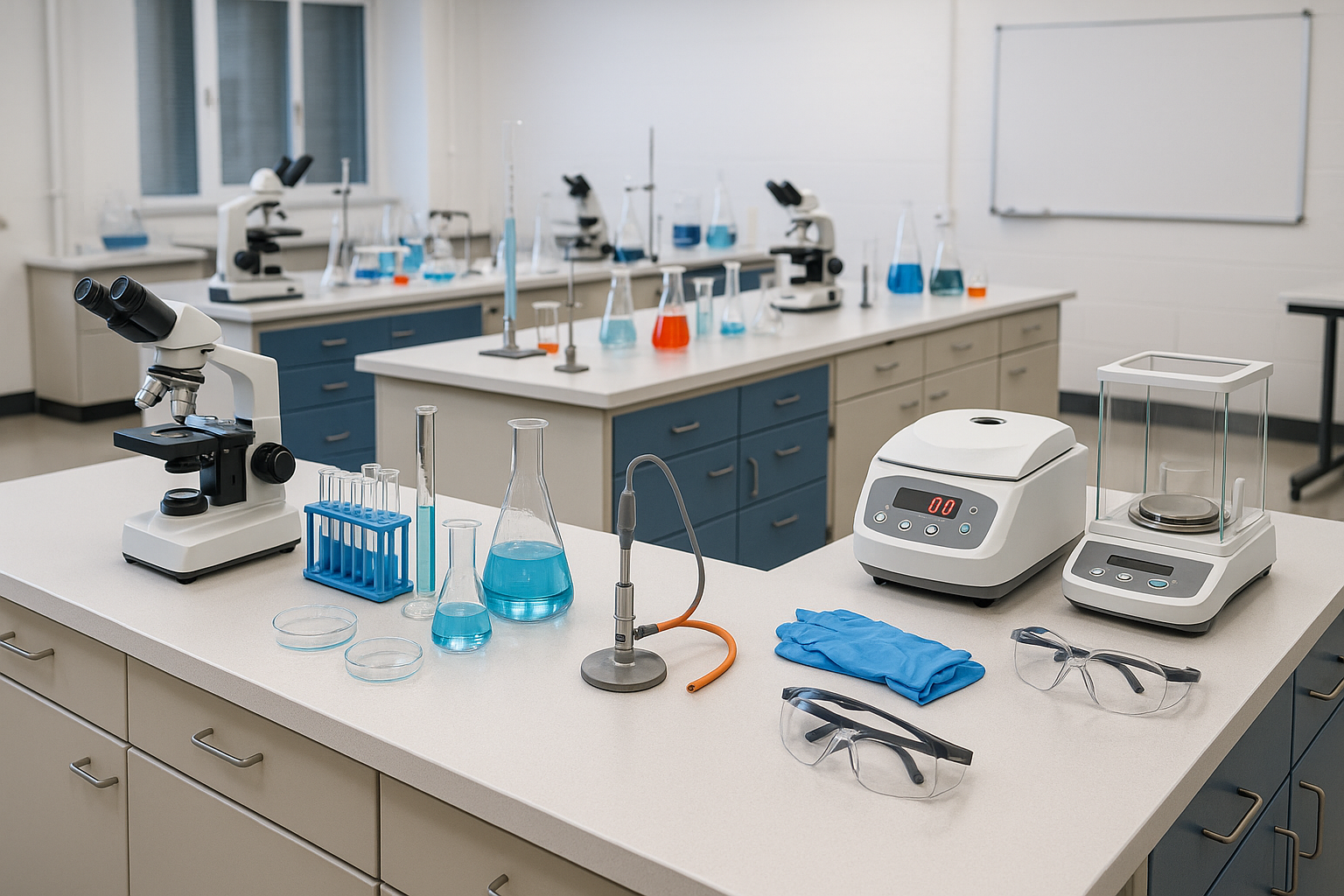
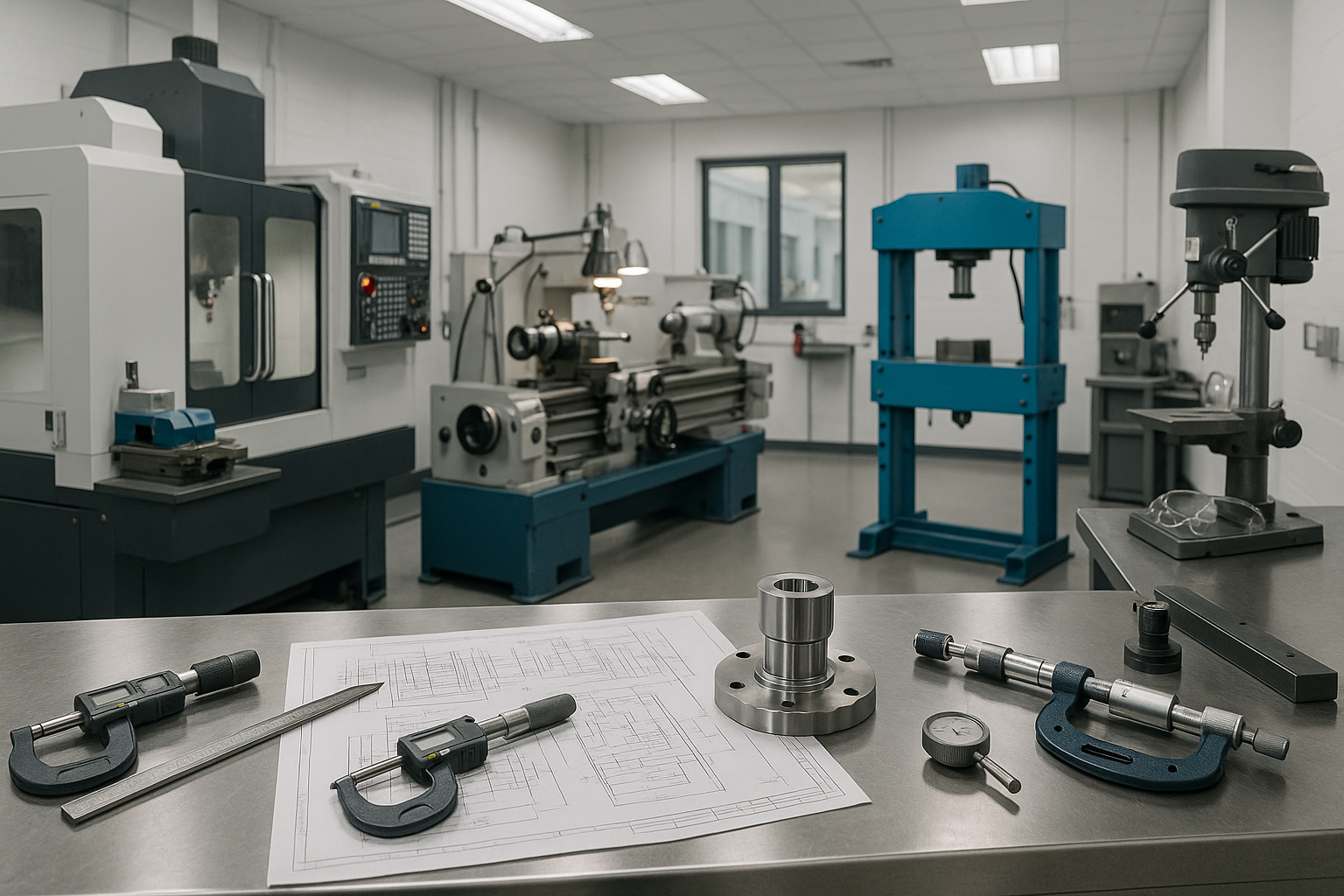
LABORATORYDEAL India maintains a good quality assurance of all its products and provides lab equipment at affordable and eco-friendly rates. The company provides lab equipment throughout and outside the country and has a network of dealers and distributors in various states, including Andhra Pradesh, Arunachal Pradesh, Assam, Bihar, Chhattisgarh, Goa, Gujarat, Haryana, Himachal Pradesh, Jharkhand, Karnataka, Kerala, Madhya Pradesh, Maharashtra, Manipur, Meghalaya, Mizoram, Nagaland, Odisha, Punjab, Rajasthan, Sikkim, Tamil Nadu, Telangana, Tripura, Uttar Pradesh, Uttarakhand, and West Bengal
The implementation of Autotronics Systems includes a wide array of applications such as advanced driver-assistance systems (ADAS), infotainment systems, electric vehicle controls, and vehicle-to-everything (V2X) communications. Each of these systems relies heavily on sophisticated software and hardware integration, effectively transforming cars into smart machines that can communicate with their environment, learn from their surroundings, and make informed decisions in real-time.
One of the most notable aspects of Autotronics Systems is their role in safety enhancements. Features like automatic emergency braking, adaptive cruise control, and lane-keeping assist are becoming standard in modern vehicles. These systems rely on an intricate network of sensors and cameras, constantly monitoring the vehicle's surroundings and providing necessary feedback to ensure driver and passenger safety. Furthermore, the technology behind these systems is rapidly evolving, incorporating artificial intelligence to improve decision-making capabilities and reduce response times.
In addition to safety, Autotronics Systems have revolutionized the way drivers interact with their vehicles. Infotainment systems now offer seamless integration with smartphones, providing drivers with navigation, music, and communication options through simple voice commands or touch interfaces. The user experience has been enhanced significantly, making journeys more enjoyable and less distracting, allowing drivers to maintain focus on the road ahead.
The shift toward electric vehicles is another area where Autotronics Systems are playing a crucial role. As the automotive industry moves towards sustainable energy solutions, these systems are designed to manage electric power in vehicles efficiently. They are responsible for optimizing battery usage, enhancing regenerative braking, and improving overall energy consumption in electric and hybrid vehicles. This not only extends the range of electric vehicles but also contributes to a greener planet.
Moreover, the connectivity enabled by Autotronics Systems facilitates a broad spectrum of innovations, including autonomous driving technologies. By utilizing sensors, cameras, and robust computing platforms, vehicles equipped with these systems can navigate complex environments without human intervention. This autonomy is being tested in real-world scenarios, paving the way for future vehicles that promise to reduce congestion, lower accident rates, and provide new mobility solutions for urban areas.
As we look forward, the role of Autotronics Systems in the automotive industry will continue to expand. With ongoing research and development in areas such as machine learning, artificial intelligence, and the Internet of Things (IoT), future vehicles will be smarter, safer, and more efficient than ever before. The trend towards integrating more technology into vehicles will not only enhance mobility but will also redefine what it means to drive.
In conclusion, Autotronics Systems are indeed revolutionizing automotive technology by merging electronics, automation, and connectivity in ways that enhance safety, efficiency, and user experience. As these systems continue to evolve and improve, the automotive landscape will be irrevocably transformed, marking a new era in how we think about and engage with transportation. Embracing this revolution will be key for manufacturers, consumers, and the environment alike.